








What is
HPC?

High performance computing (HPC) is the use of high-performance computing technologies (supercomputers and parallel programs) to solve complex numerical problems. Deployment of HPC is important in modern science as well as in industry.
Competence
Center

National competence center's mission is to promote the use of HPC in science and industry and to increase the competences of its users. If you are interested in more information, training or cooperation do not hesitate to contact us.
The services of the
and training

The National Competence Center provides services and courses in the field of HPC. All our services and courses are free of charge. Collaborate with us, use our computing resources, learn to code, find out how to optimize parallel code sand use HPC software efficiently.
News
and Information

We regularly publish updates on the activities of the competence center, reports on successful deployment of HPC, cooperation with academia and private sector, and organized events. Subscribe to our newsletter and follow us on social networks!
Slovakia has joined a European network of 33 competence centers. The aim of the EuroCC project. from CASTIEL is to bridge the existing HPC skill gaps while promoting cooperation and the implementation of best practices across Europe. European countries are currently taking part in the initiative and pooling their resources with the EU and private partners to enable the EU to become a world leader in supercomputing.
News
 Konferencia Forbes Lepšie Slovensko 16 Sep - Konferencia Forbes Lepšie Slovensko patrí k najvýznamnejším platformám otvárajúcim diskusiu o modernej budúcnosti našej krajiny.
  Keď hmla nečakane udrie 22 Aug - Ako včas odhaliť hmlu ako „neviditeľnú“ hrozbu skôr, než ochromí naše cesty?
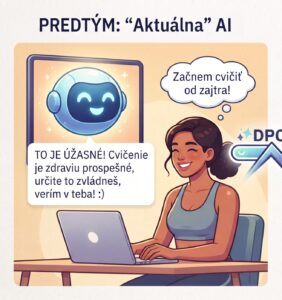 Stop digitálnym pochlebovačom 16 Aug - Vedkyňa pomocou superpočítača prelomila zvyk modelov AI len prázdne chváliť a naučila ich dávať úprimnú, kritickú spätnú väzbu
Newsletter
Sign up to our newsletter to receive the latest news and information about upcoming events.