
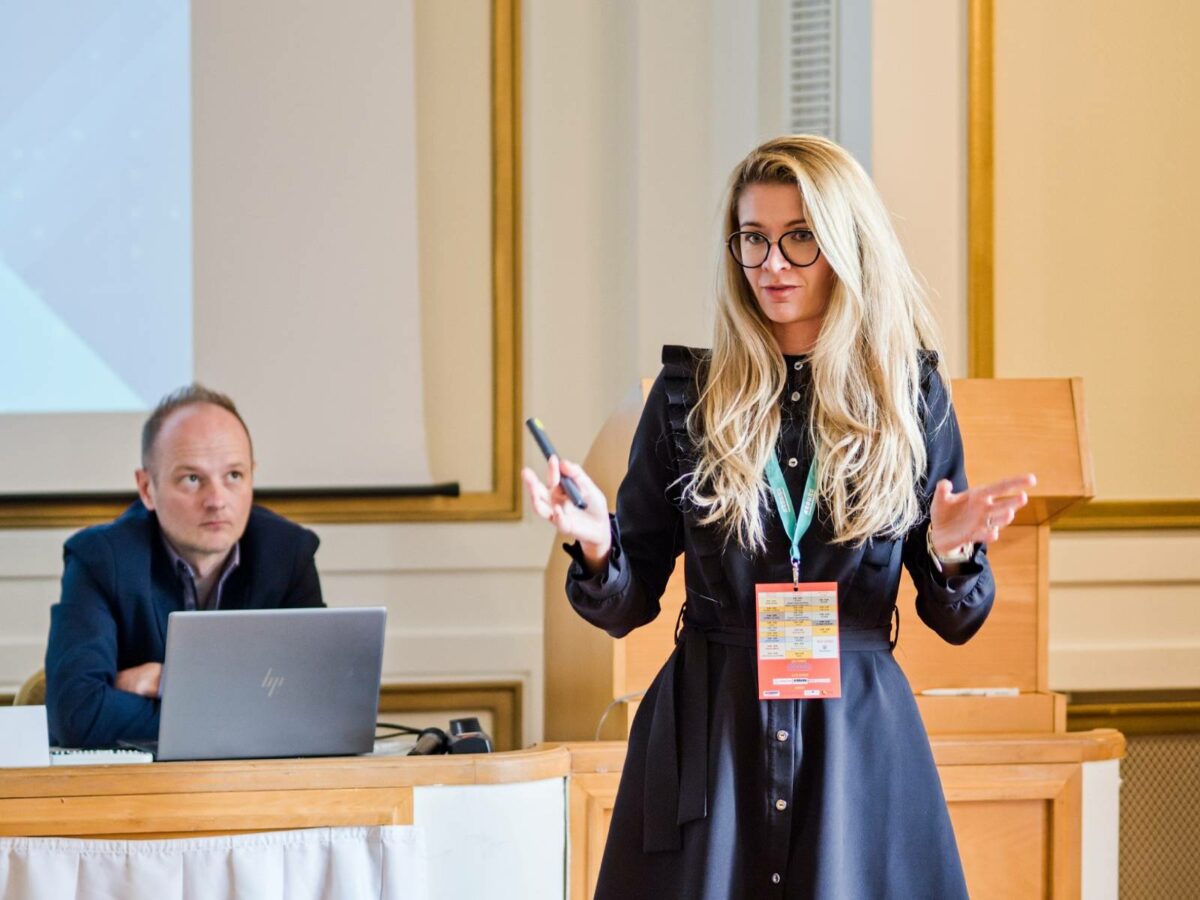
10th International Conference on Polymer Materials in the Automotive Industry – PMA 2025 and the 26th Slovak Rubber Conference
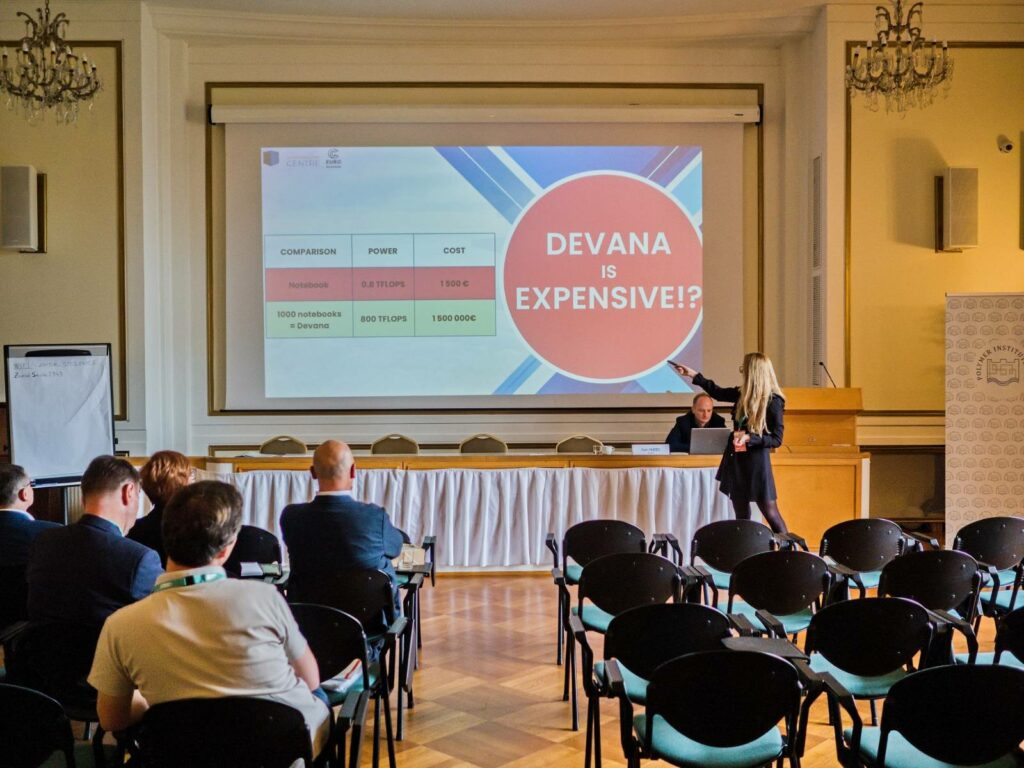
The prestigious scientific conference PMA & SRC 2025, focused on polymer materials in the automotive industry and rubber research, was held at Smolenice Castle from May 21 to 23, 2025. Among the speakers was Lucia Malíčková from the National Supercomputing Centre (NSCC Slovakia) and the National Competence Centre for High-Performance Computing (NCC for HPC).
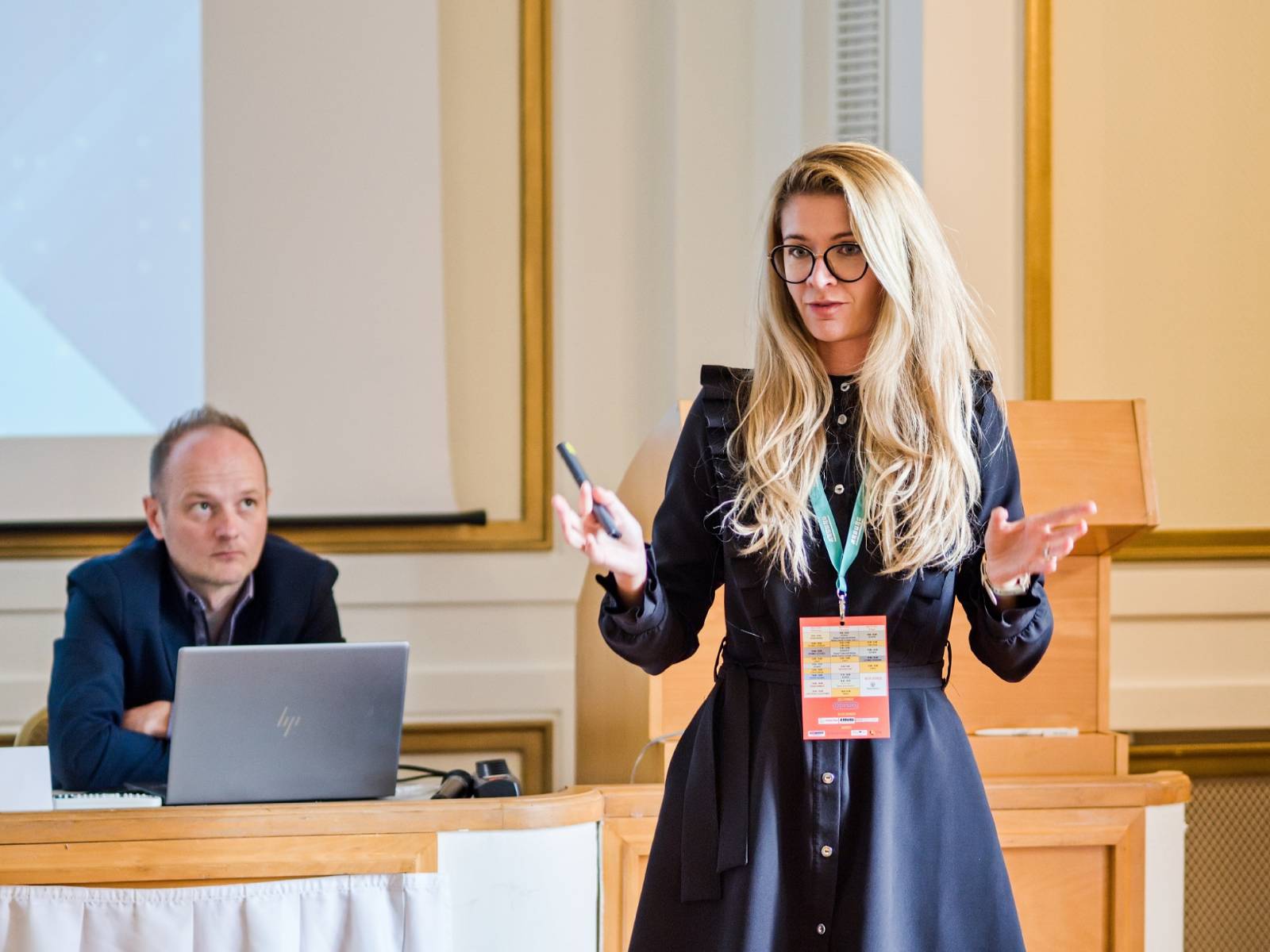
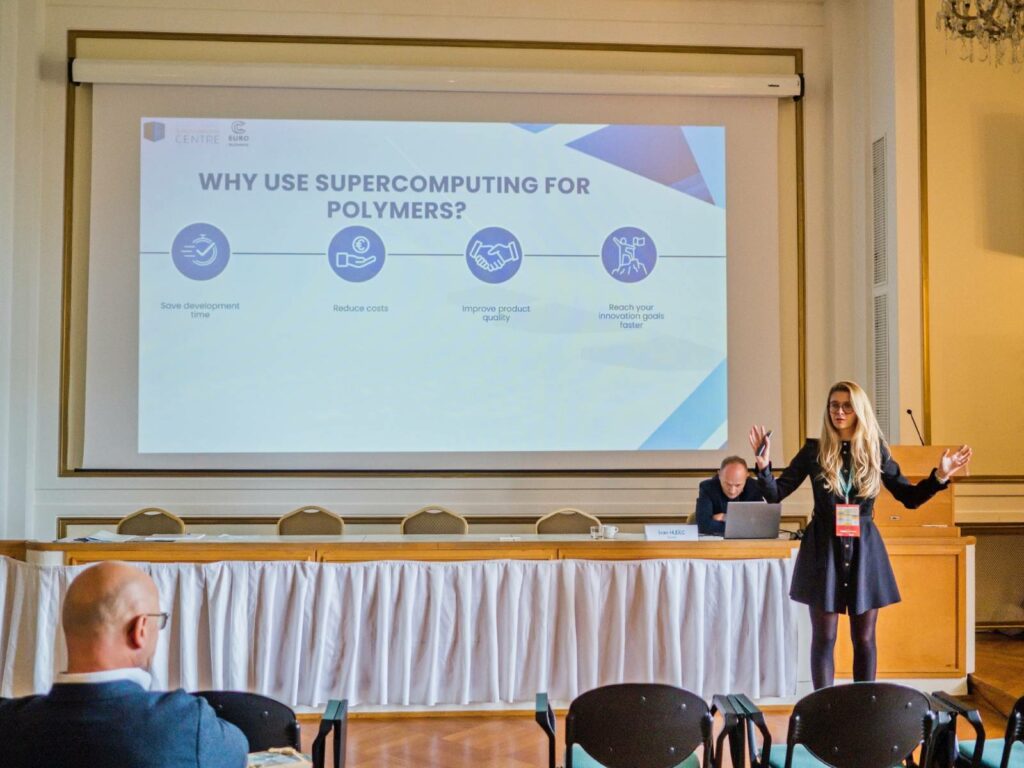
In her presentation titled “Computational Modelling and High Performance Computing Driven Innovation in the Development of Polymeric Materials in the Context of the European Competence Centre Framework”, she introduced the potential of high-performance computing (HPC) in the modelling and development of innovative polymeric materials. She also emphasized the importance of collaboration within the European network of competence centres for HPC.
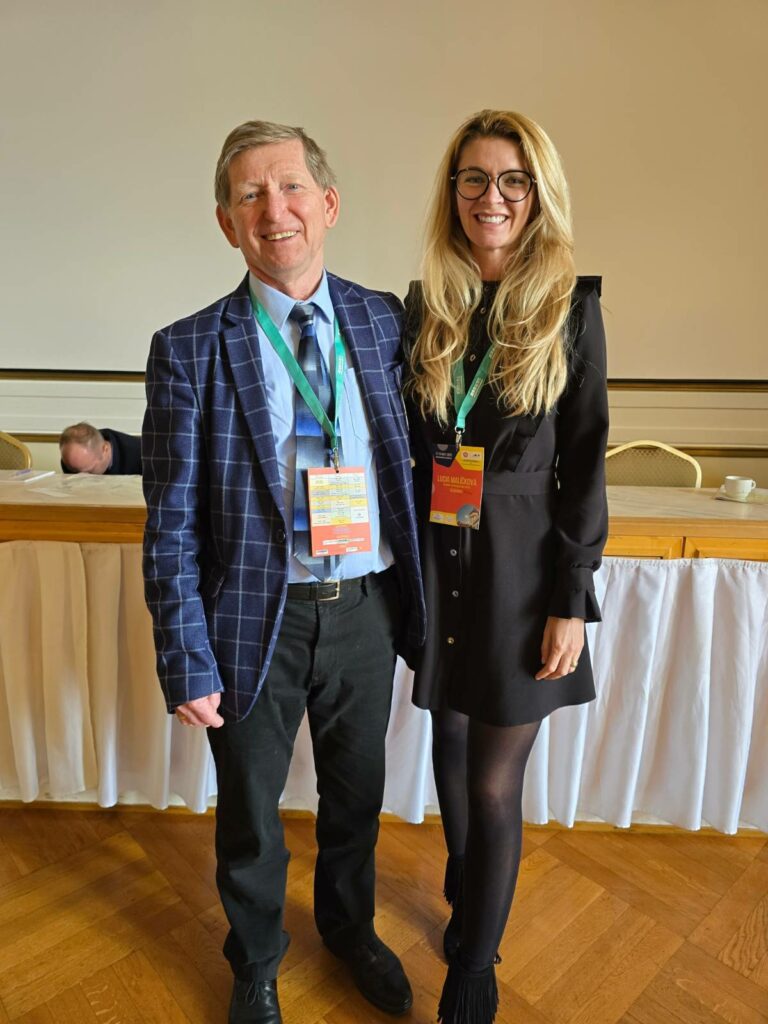
Participation in the event strengthened the connection between the industrial and academic sectors and highlighted the growing importance of HPC solutions for sustainable materials development in the context of the circular economy and innovations in the automotive sector.
The conference proceedings, which also include the contribution by Lucia Malíčková..
 Keď hmla nečakane udrie 22 Aug - Ako včas odhaliť hmlu ako „neviditeľnú“ hrozbu skôr, než ochromí naše cesty?
 Stop digitálnym pochlebovačom 16 Aug - Vedkyňa pomocou superpočítača prelomila zvyk modelov AI len prázdne chváliť a naučila ich dávať úprimnú, kritickú spätnú väzbu
 Odvrátená strana bezplatných hier 11 Jul - Ako slovenský tím s pomocou superpočítača vyriešil rébus extrémne vzácneho správania hráčov