
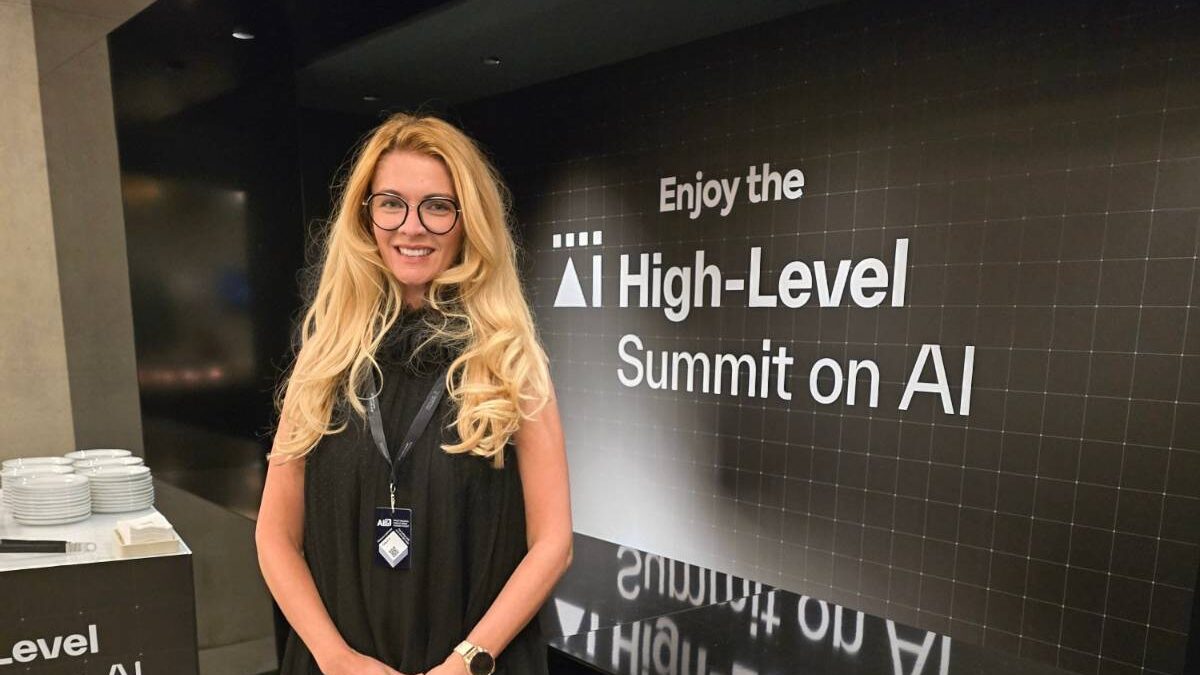
We Participated in the High-Level Summit on AI in Bratislava
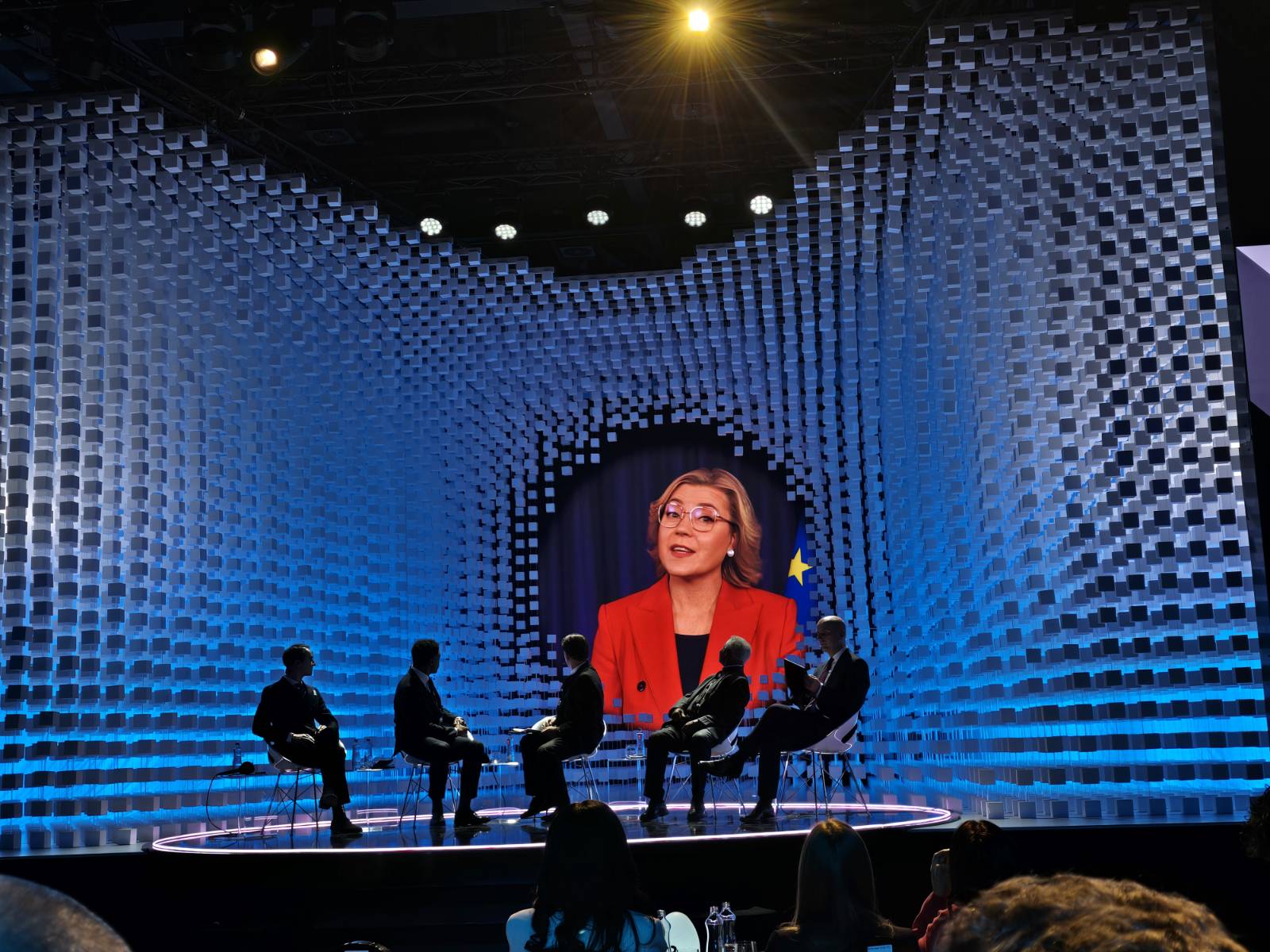
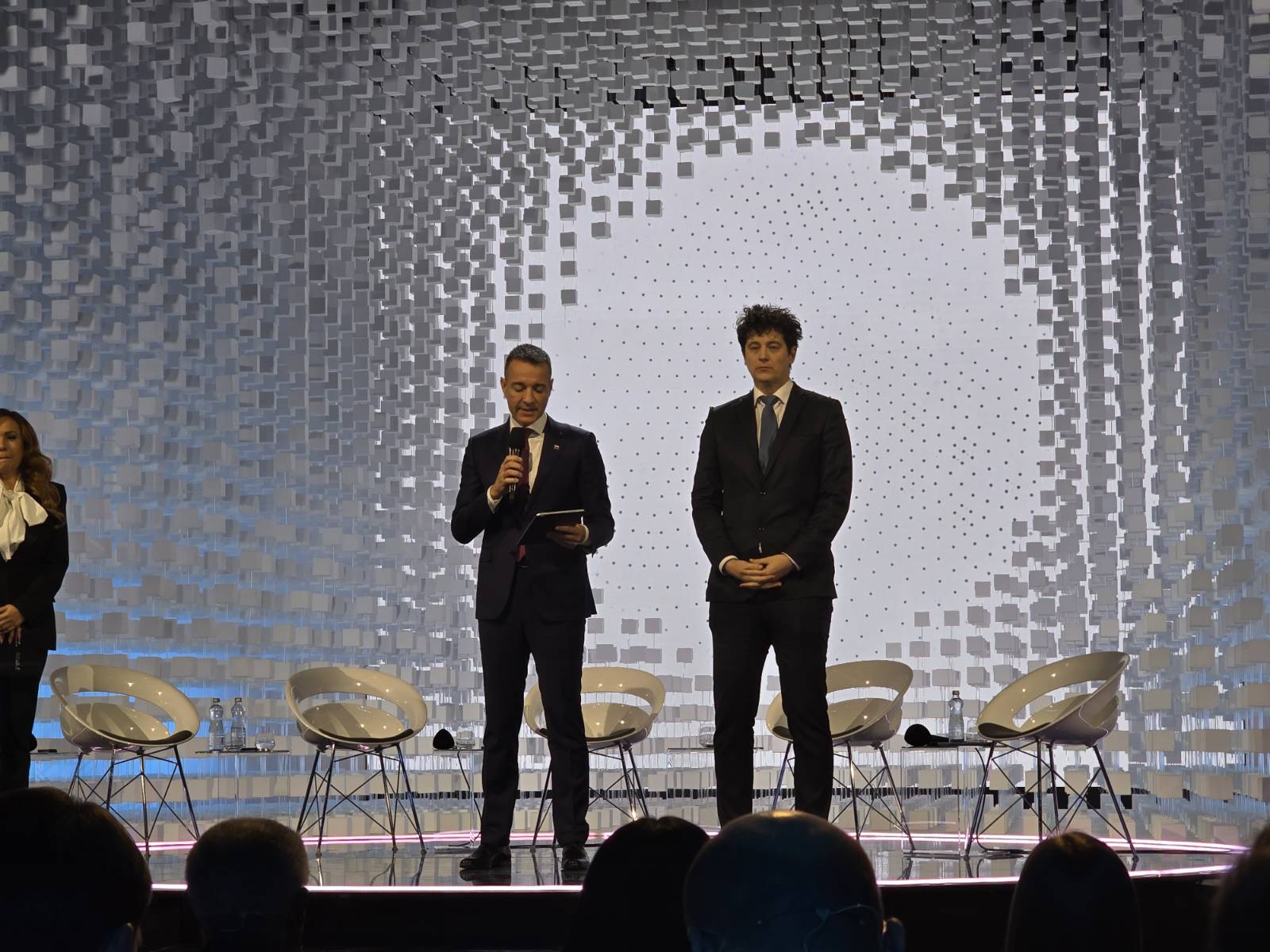
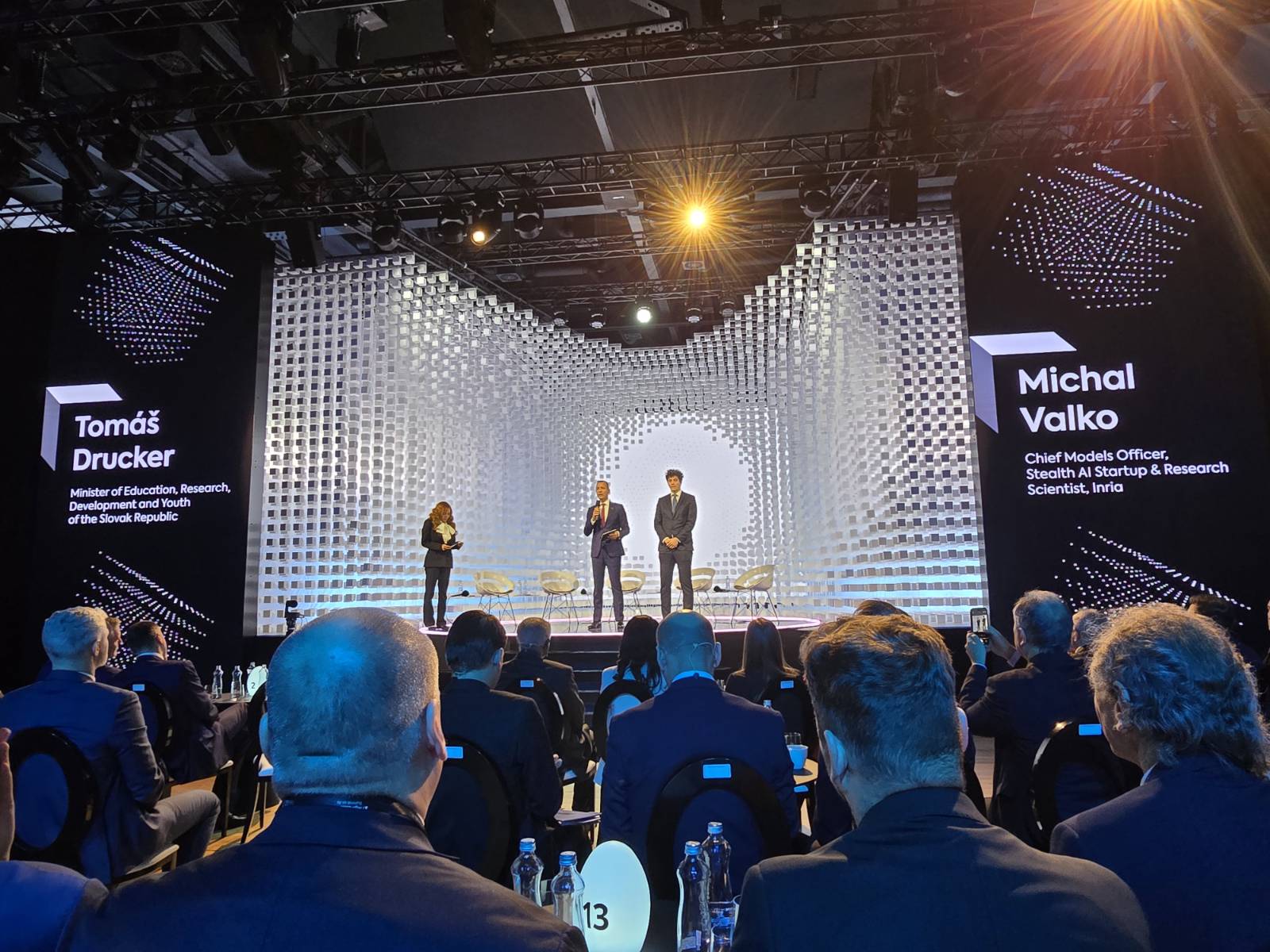
We participated in the prestigious High-Level Summit on AI – BratislavAI Forum 2025, one of the most significant current European contributions to shaping the global architecture of AI governance. Lucia Malíčková represented our expertise in artificial intelligence, data ecosystems, and digital innovation.
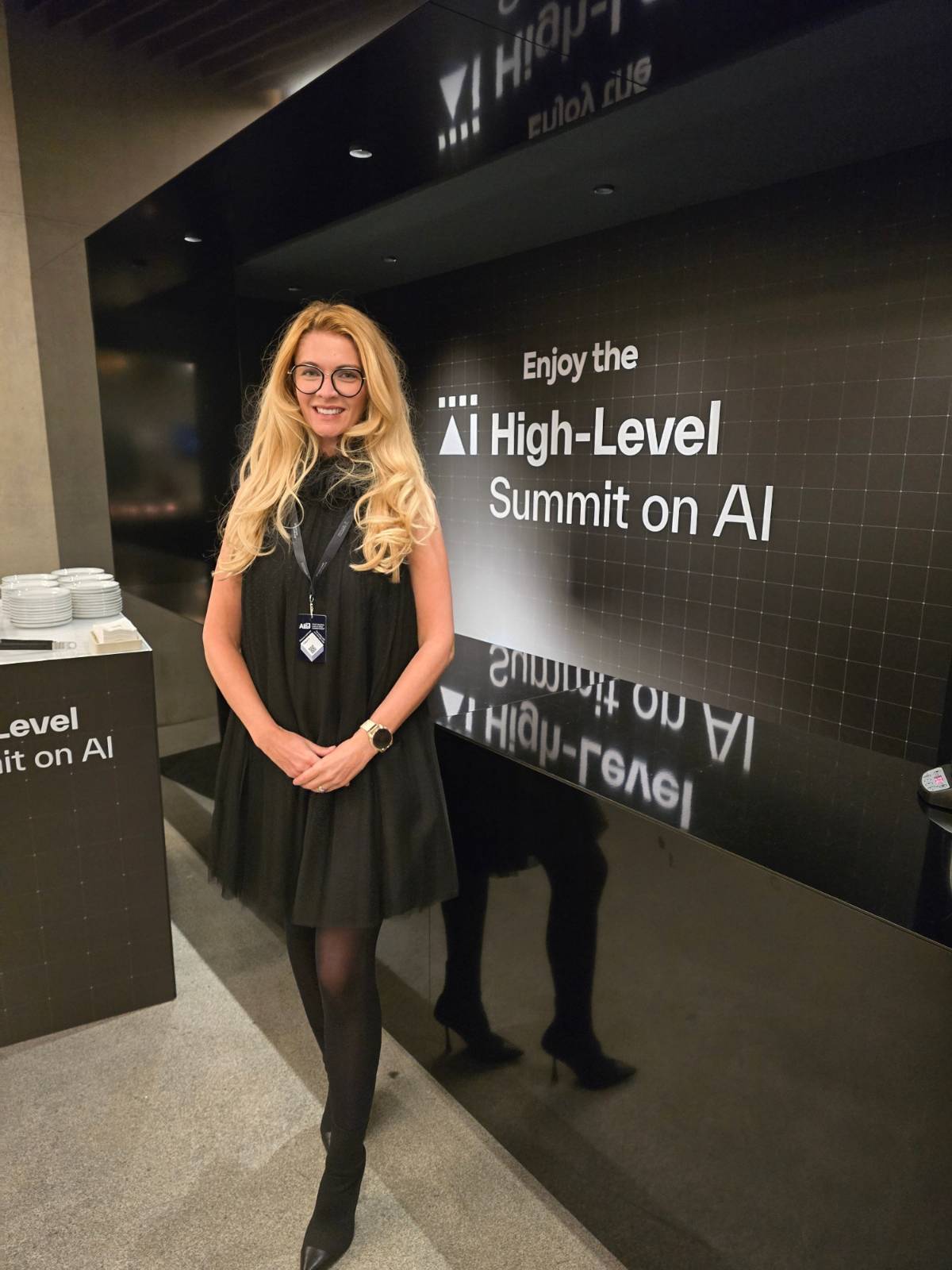
The BratislavAI Forum is taking place during a period of profound global transformation. The rapid development of artificial intelligence and digital technologies is reshaping economies, industries, education, science, and everyday life. Yet despite the immense opportunities, one essential question stands before us: Are we, as a society, truly prepared for these changes?
The event builds on the AI Action Summit in Paris (February 2025) and paves the way for the High-Level Global AI Conference in India (2026). In doing so, the Slovak Republic positions itself among the active partners contributing to the development of a unified, responsible, and secure global AI ecosystem.
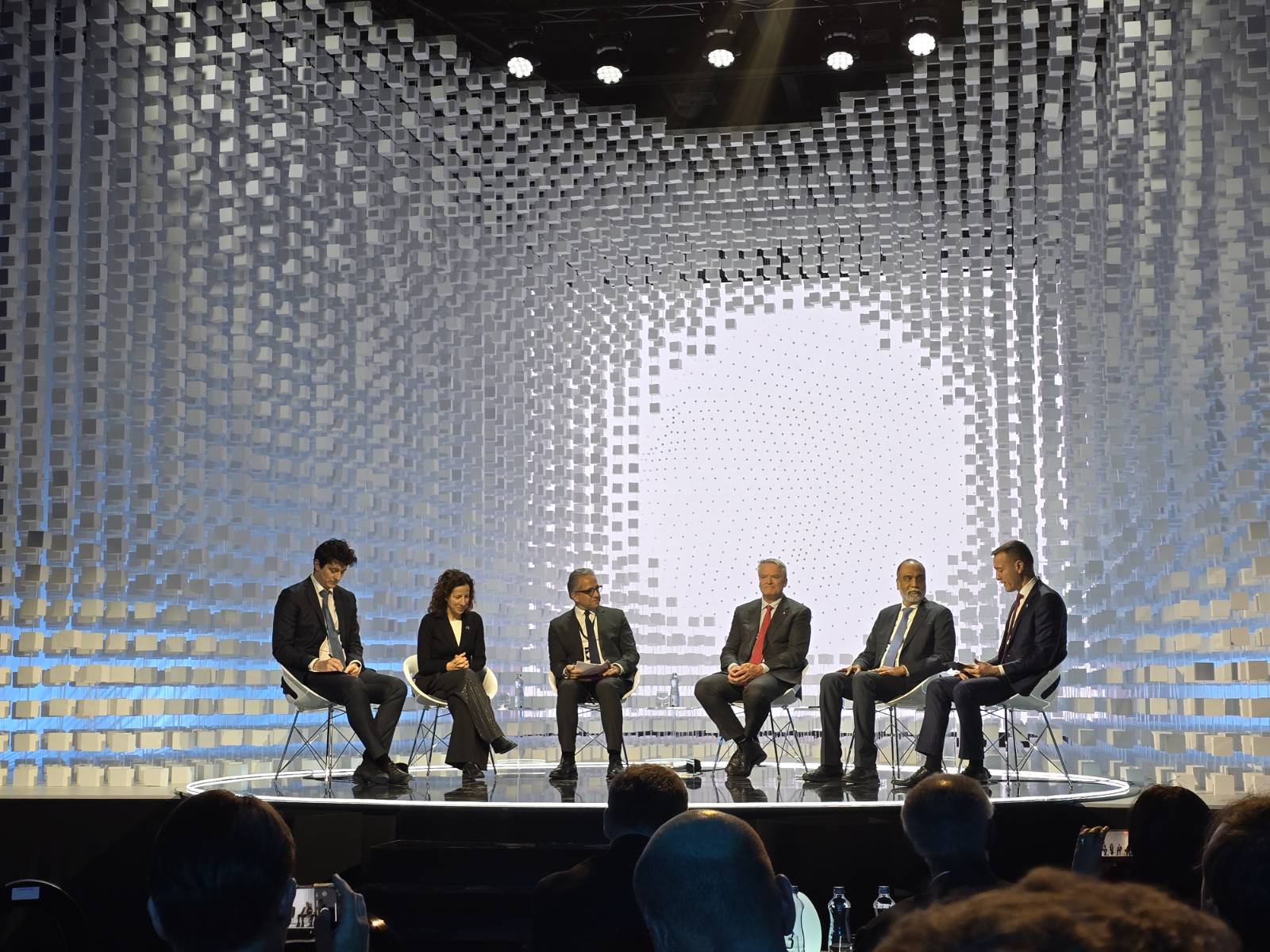
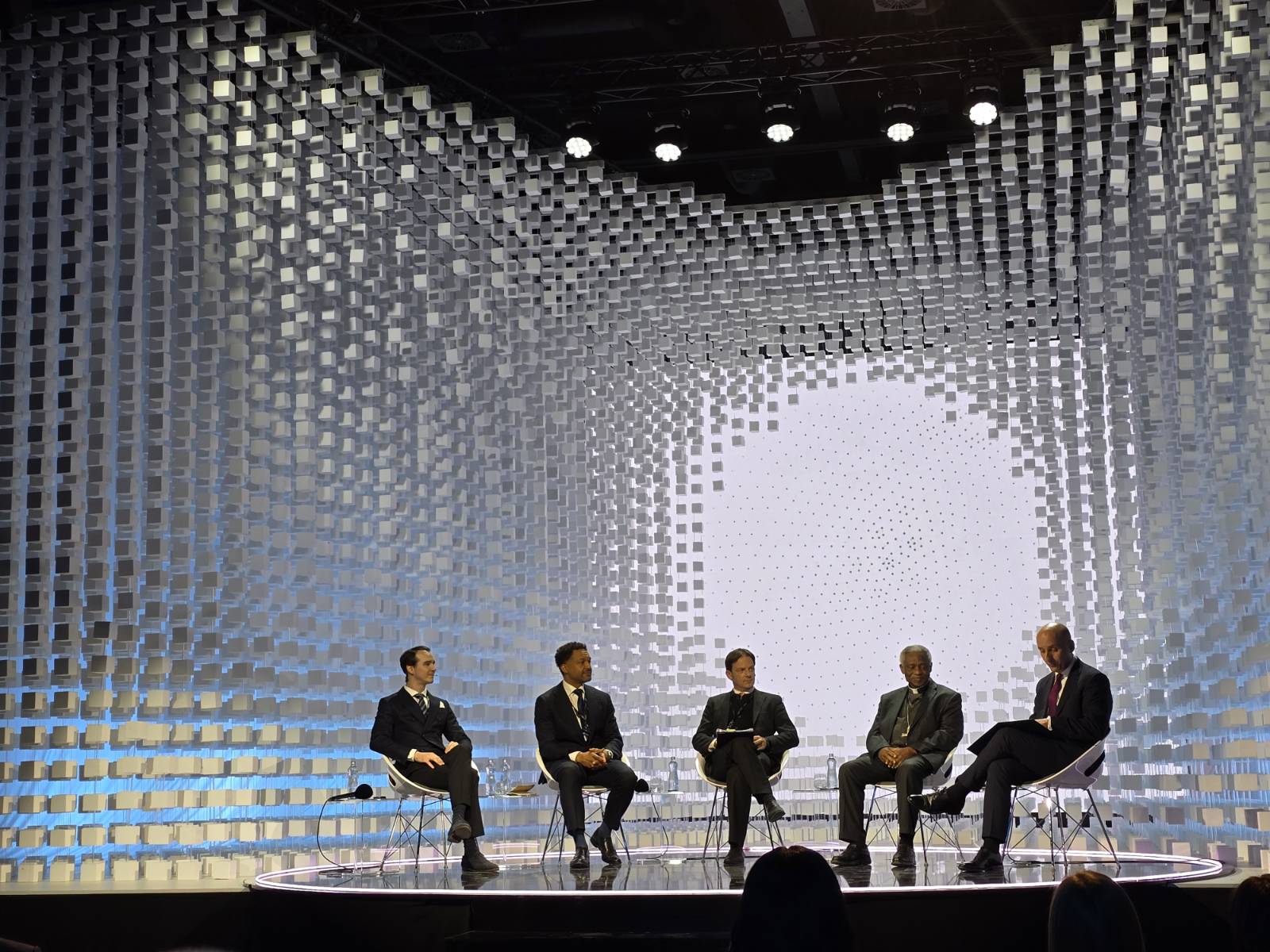
The summit emphasized the need to connect technological progress with the development of human capabilities, critical thinking, and inclusive approaches. The discussions brought together insights from senior government officials, international organizations, technology leaders, and digital regulation experts.
One of the key themes was the fact that the world still lacks a unified framework for the regulation and governance of artificial intelligence. This gap results in fragmented policies, inconsistent development standards, and increased risks of misuse.
The discussions focused on the implementation of:
- UN Global Digital Compact,
- OECD AI Principles,
- UNESCO Recommendation on AI,
- as well as other multilateral initiatives aimed at strengthening digital trust, security, and accountability.
It was highlighted that only a coordinated international approach can fully unlock the potential of AI in a way that benefits everyone—regardless of geography or socio-economic conditions.
The second main thematic area focused on the economic impacts of artificial intelligence. Experts from central banks, the technology sector, and the legal field discussed how AI is transforming:
- productivity,
- the labor market,
- investment flows,
- regulation and public policy,
- and the trust between citizens, the state, and technologies.
The aim was to identify the right balance between innovation and the protection of public interest, while creating an environment that supports inclusive economic growth.
The participation of Lucia Malíčková strengthened our position in discussions on digital transformation, artificial intelligence, and the safe use of data. Her contributions reaffirmed our commitment to actively shaping modern AI ecosystems and supporting international cooperation in this field.
The High-Level Summit on AI in Bratislava enabled us to build new partnerships, share our expertise, and contribute to the discussion on what responsible, secure, and inclusive AI development should look like in Europe and globally.
 Artificial Intelligence and a Supercomputer as a New Weapon Against Environmental Disasters 26 Mar - Scientists from Nitra, Slovakia are teaching machines to predict industrial failures before they can cause damage. Thanks to collaboration with the European supercomputer LUMI, they have developed a digital “guardian” capable of detecting pipeline leaks or manufacturing faults with high accuracy—helping protect both the environment and companies’ budgets.
 The Slovak Recipe for Fair Play and Happier Players 25 Mar - Do you play games on your phone and sometimes feel like the game just doesn’t understand you? Experts from Nitra, Slovakia, have used one of Europe’s most powerful supercomputers to change that. Thanks to the Italian giant named Leonardo, they discovered how to read between the lines of player behavior and make the gaming experience more personal and fair.
 Apply for the EUMaster4HPC Summer School 2026 focused on High-Performance Computing. 23 Mar - From 5 to 14 July 2026, the EUMaster4HPC Summer School titled “High-Performance Computing and Emerging Trends” will take place in Luxembourg. The event will be held at the Marienthal Youth Center and the University of Luxembourg in Belval.