HPC and MATLAB: A Strong Partnership for Accessible Supercomputing
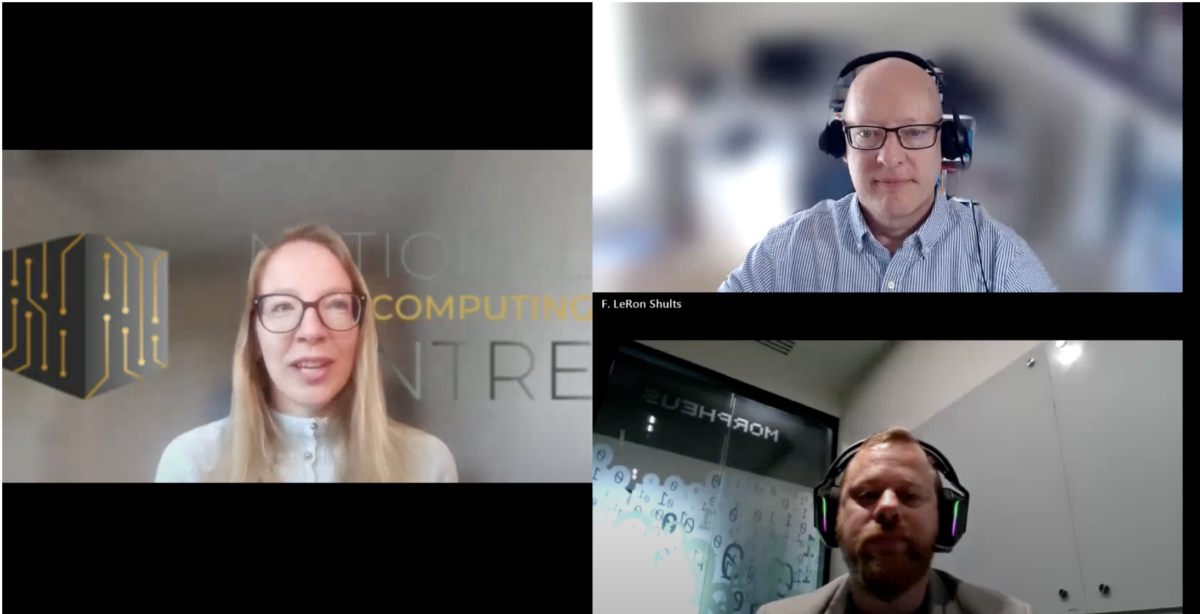
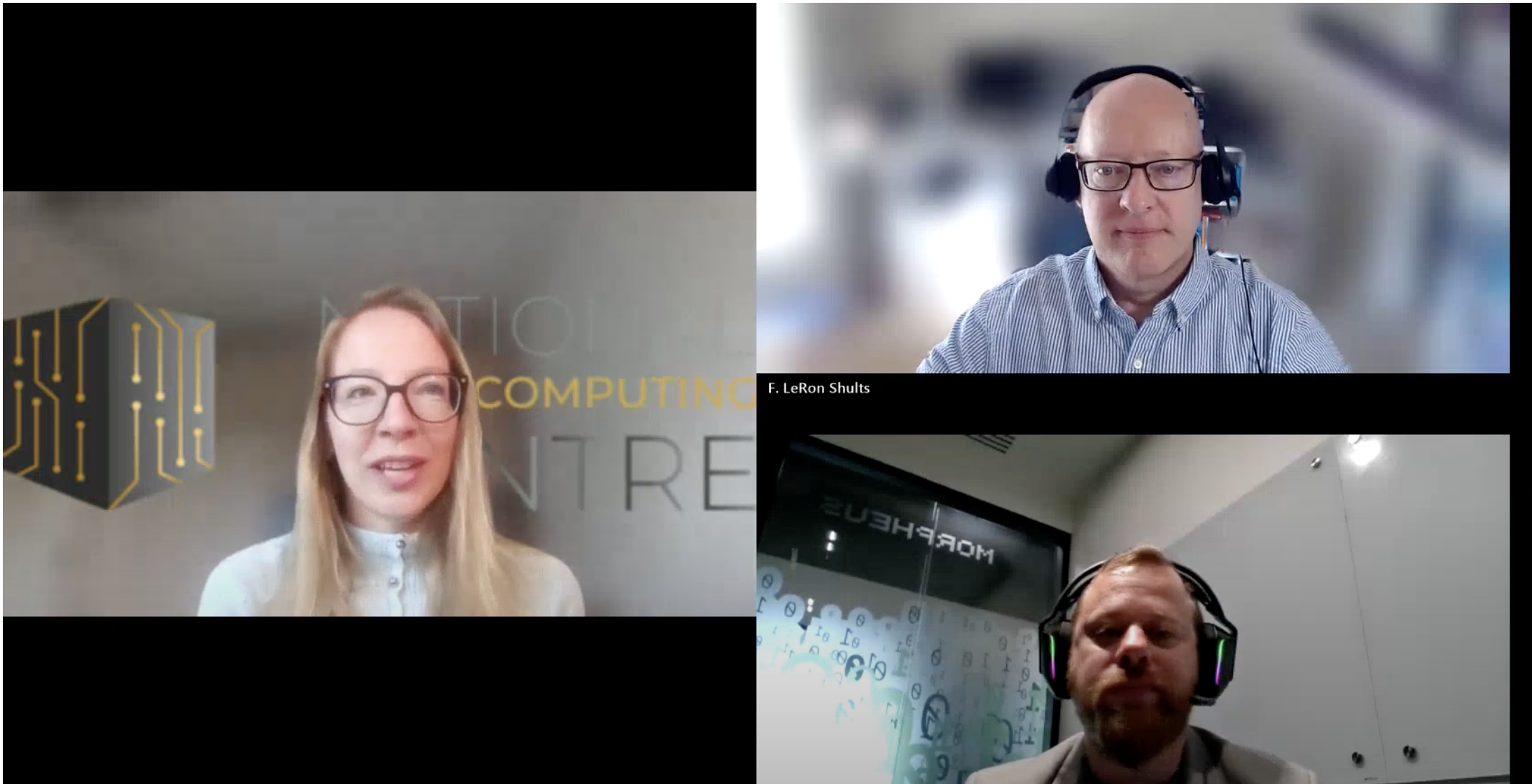
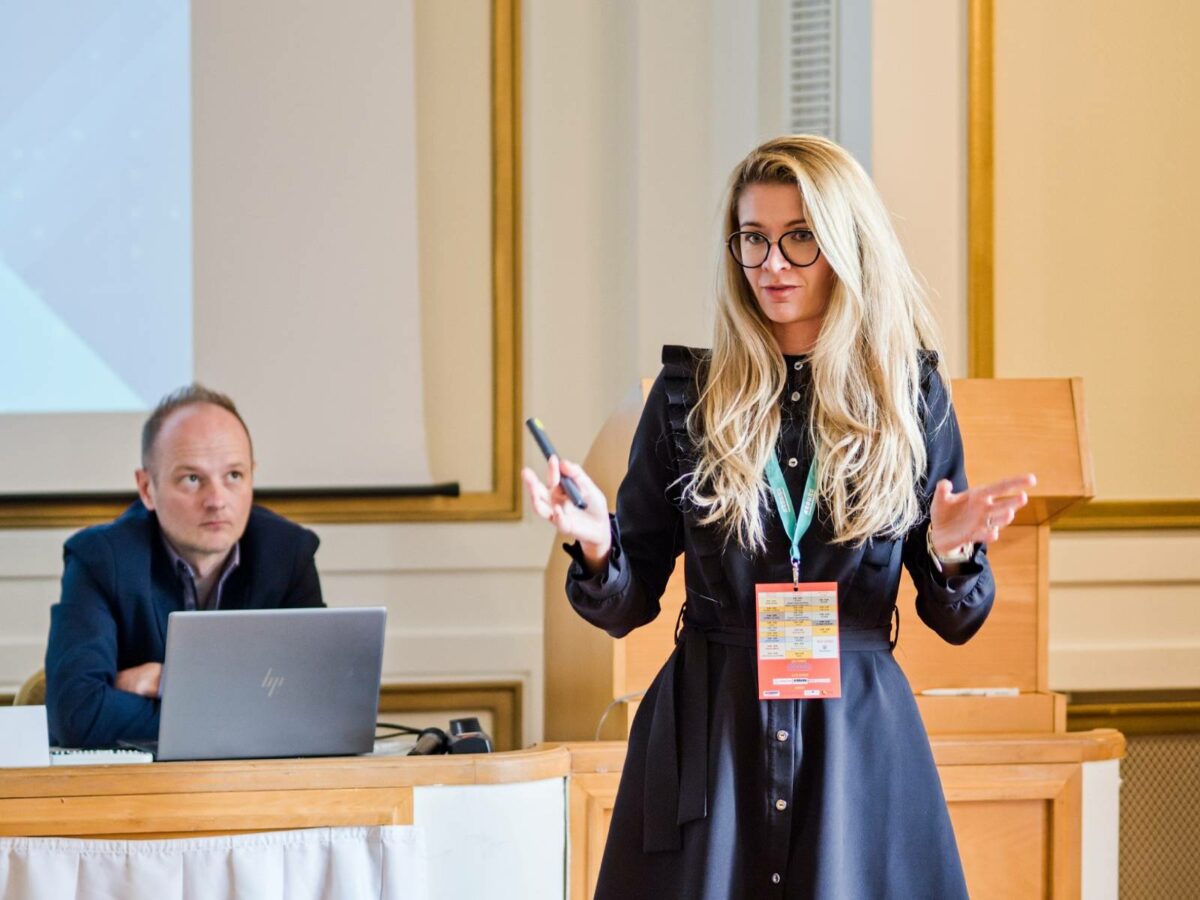
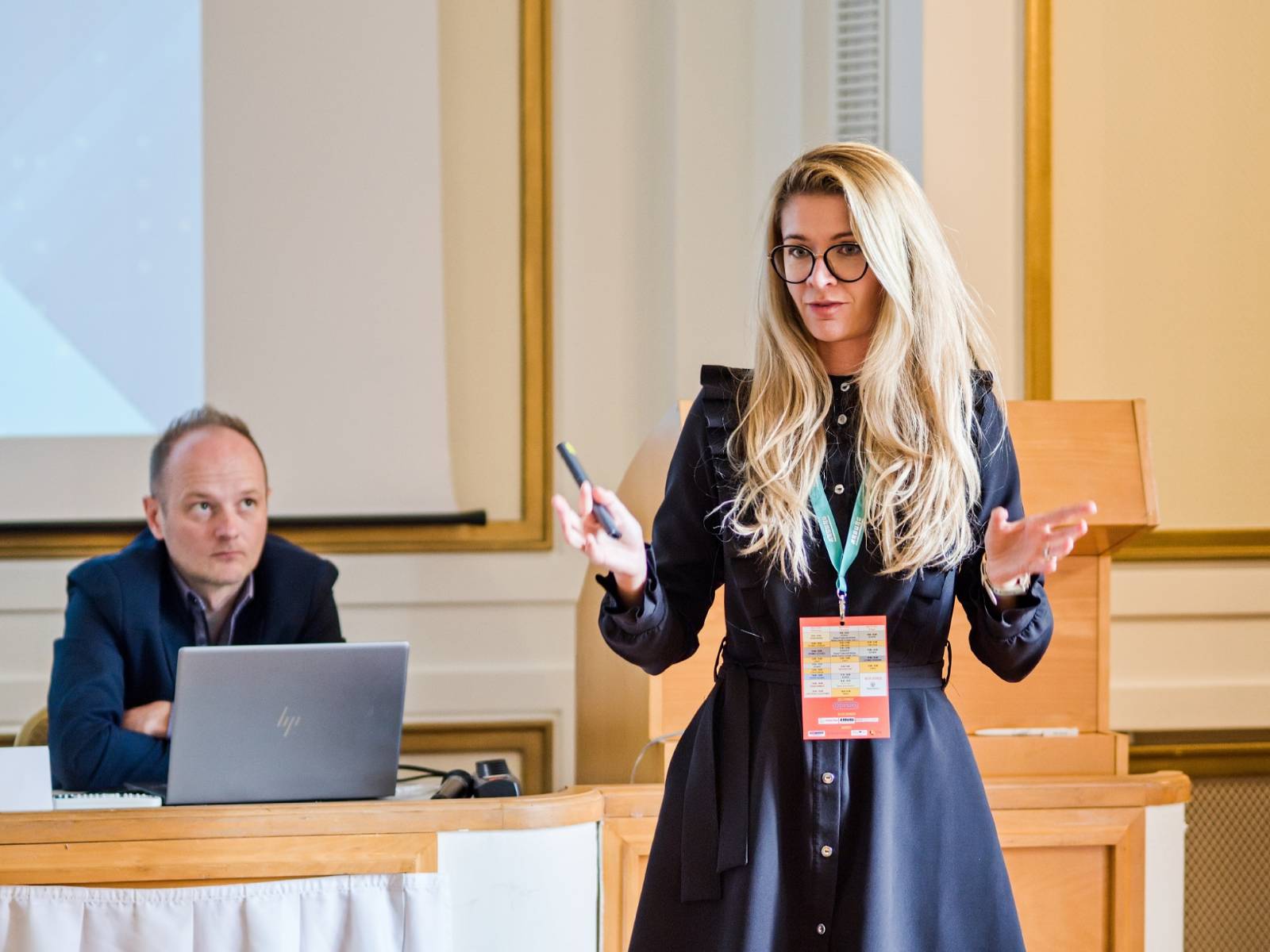
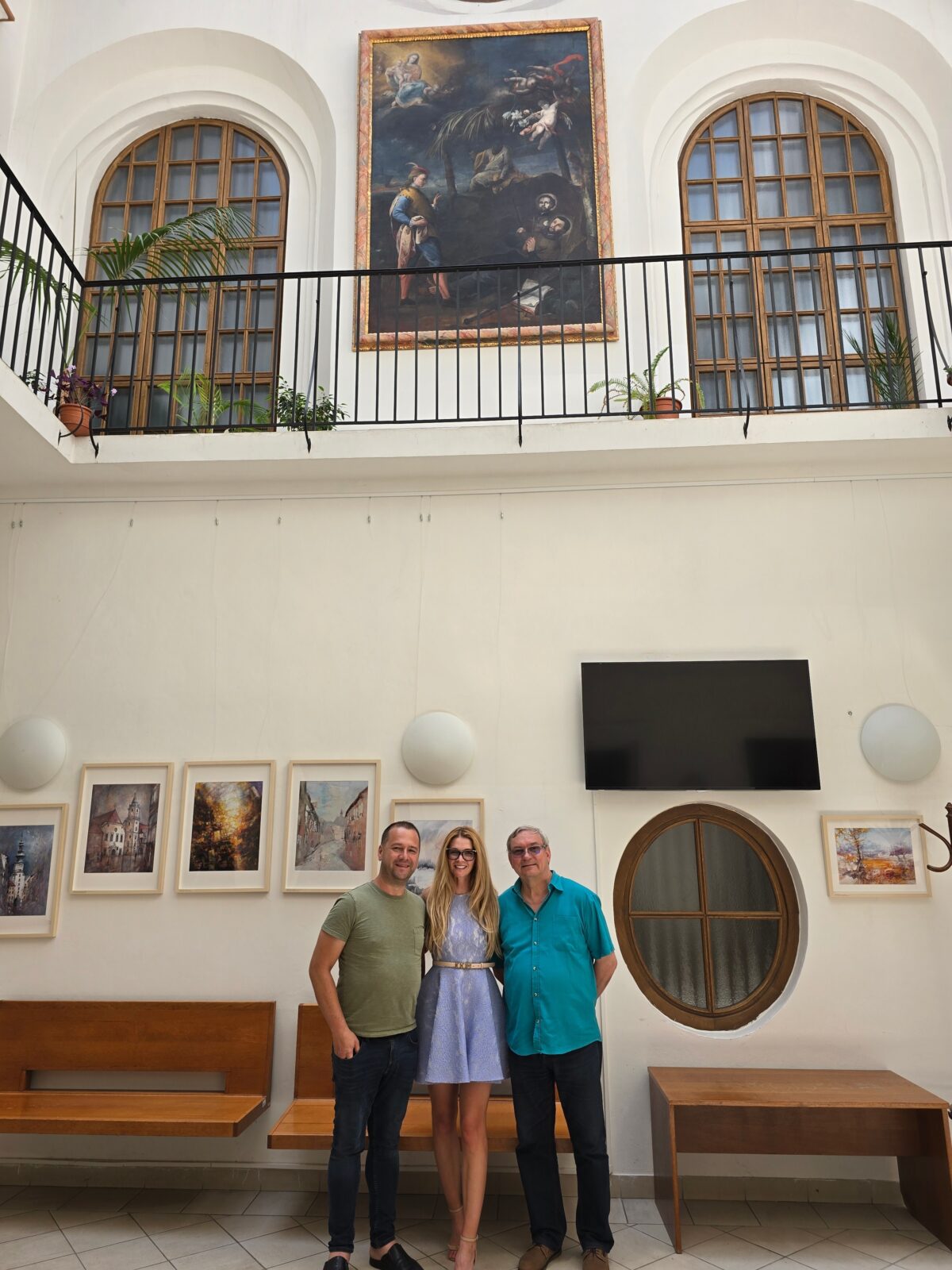
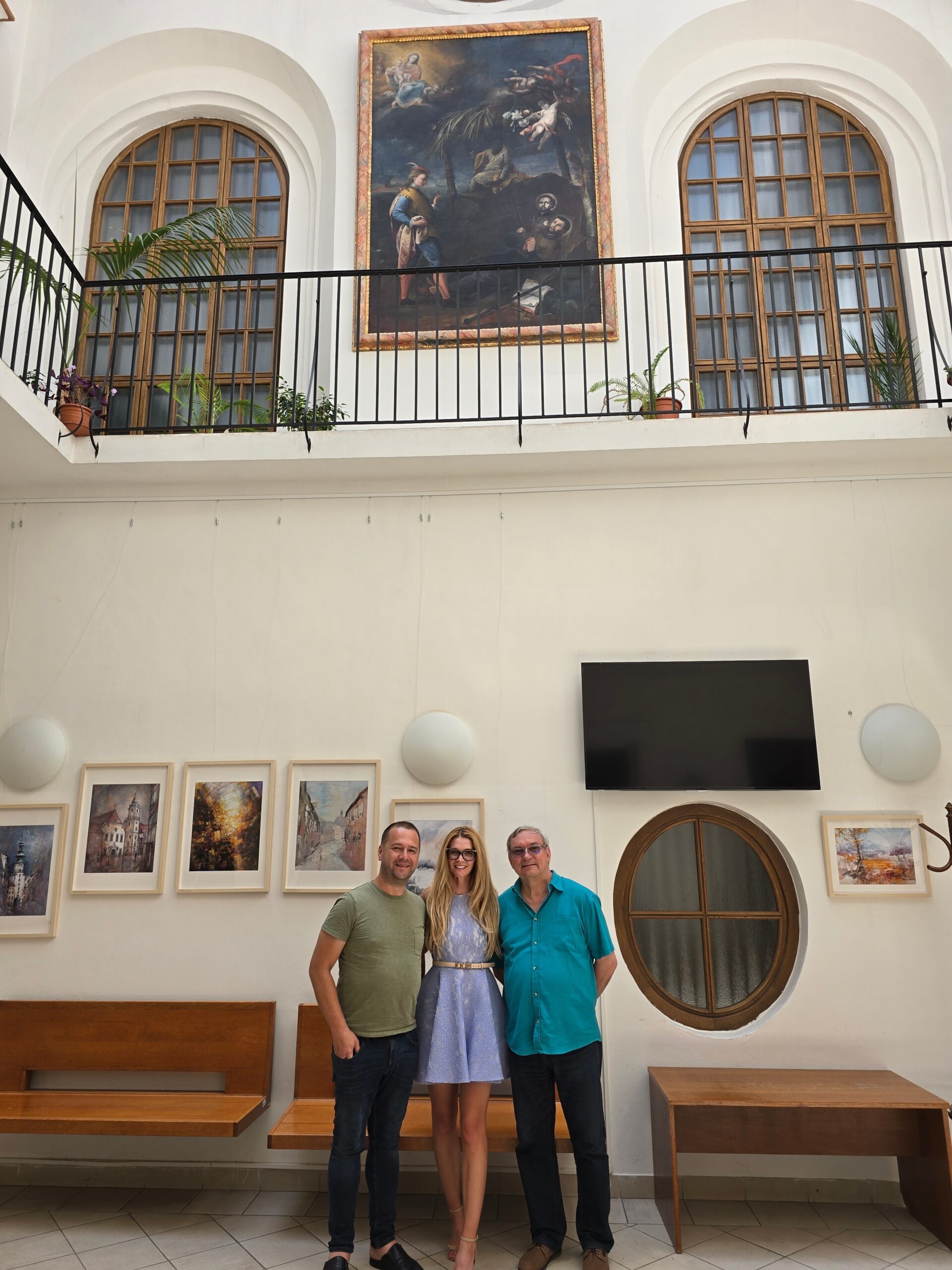
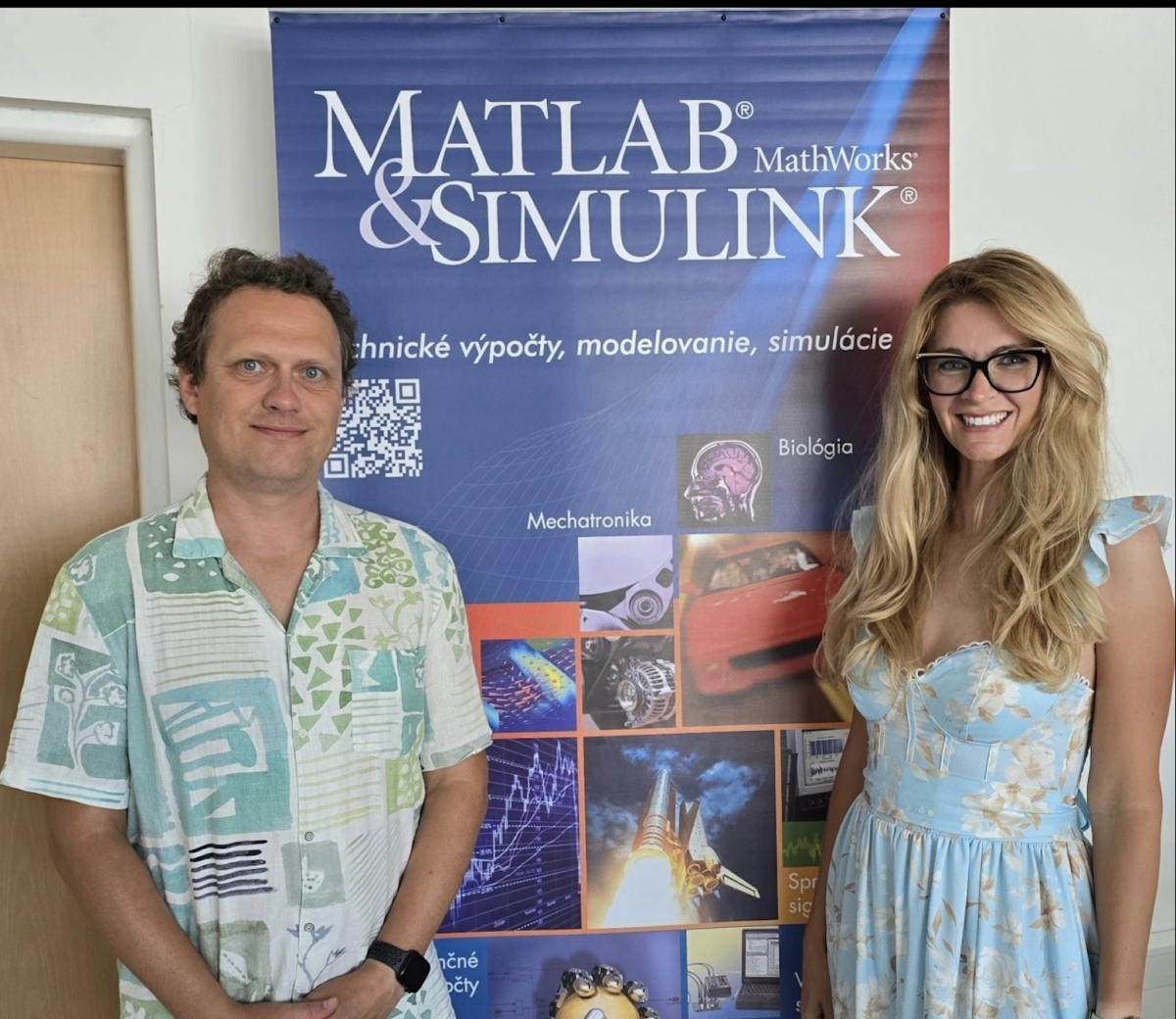
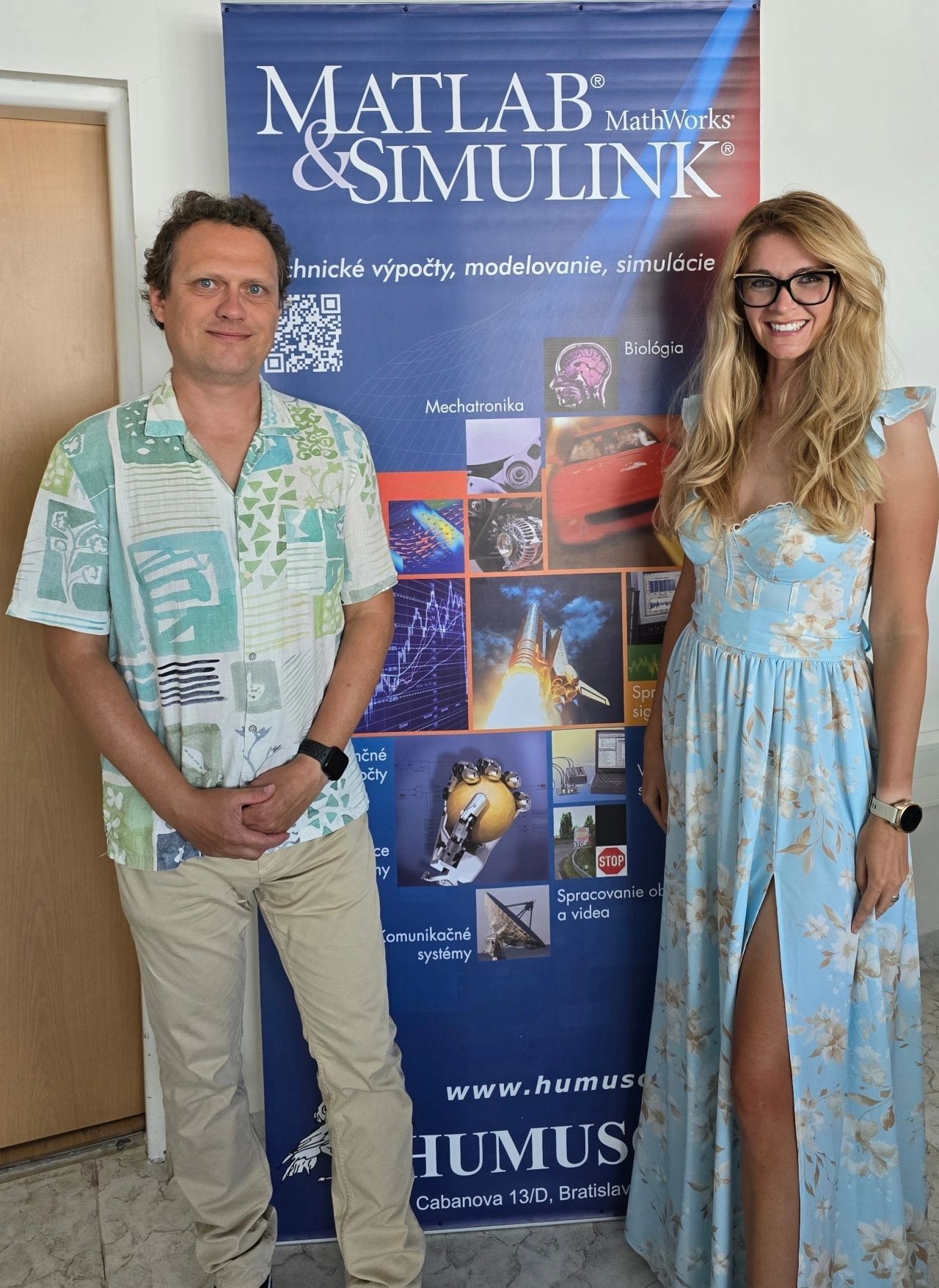
Last week, an interesting working meeting took place where Lucia Malíčková, representing the National Supercomputing Centre and the National Competence Centre for HPC, met with Martin Foltín from HUMUSOFT s.r.o., the official distributor of MathWorks. The aim of the discussion was to explore new opportunities to bring the computing power of supercomputers closer to a wider range of users.
The public often associates High-Performance Computing (HPC) with complex programming and sophisticated processes reserved only for a narrow circle of experts. This can create a barrier and the perception that the world of supercomputers is out of reach for ordinary users. The reality, however, is different. Modern tools make it possible to open up supercomputing to those without a technical background. One such tool is MATLAB, which provides an intuitive and user-friendly environment. When combined with the power of a supercomputer, it becomes an extremely powerful instrument that virtually anyone can use.
At the meeting, we therefore agreed to launch a series of workshops focused on specific application areas. These will demonstrate how HPC can support the development of medicine – from assisting students and doctors to supporting researchers and medical device manufacturers. Equally great potential lies in the field of finance, where high-performance computing can be applied to modelling and forecasting. Other promising areas include robotics, engineering, industrial production, and many more sectors that can gain a competitive advantage through faster and more accurate data processing.
The series of workshops aims to dispel the long-standing myths surrounding supercomputers. Instead of complex coding and complicated procedures, participants will work with an environment that is natural and easy to use. This will open the door to adopting HPC not only within the expert community but also among the wider public.
The partnership between the National Supercomputing Centre, the National Competence Centre for HPC, HUMUSOFT, and MathWorks represents an important step towards simplifying access to high-performance computing. It brings together strong partners with a clear vision: to bring supercomputers closer to people and to demonstrate that their potential can be harnessed even in areas where it would not have been expected just a short time ago.
 Keď hmla nečakane udrie 22 Aug - Ako včas odhaliť hmlu ako „neviditeľnú“ hrozbu skôr, než ochromí naše cesty?
 Stop digitálnym pochlebovačom 16 Aug - Vedkyňa pomocou superpočítača prelomila zvyk modelov AI len prázdne chváliť a naučila ich dávať úprimnú, kritickú spätnú väzbu
 Odvrátená strana bezplatných hier 11 Jul - Ako slovenský tím s pomocou superpočítača vyriešil rébus extrémne vzácneho správania hráčov