
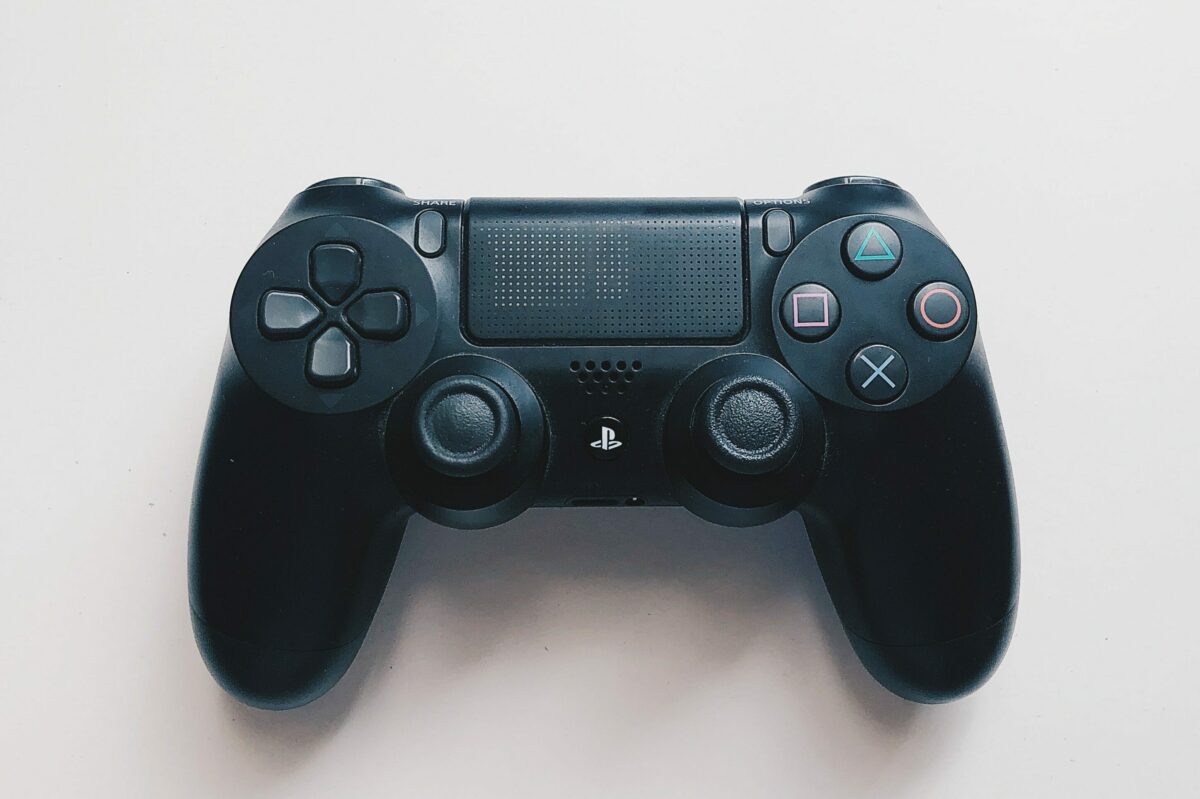
National video games day
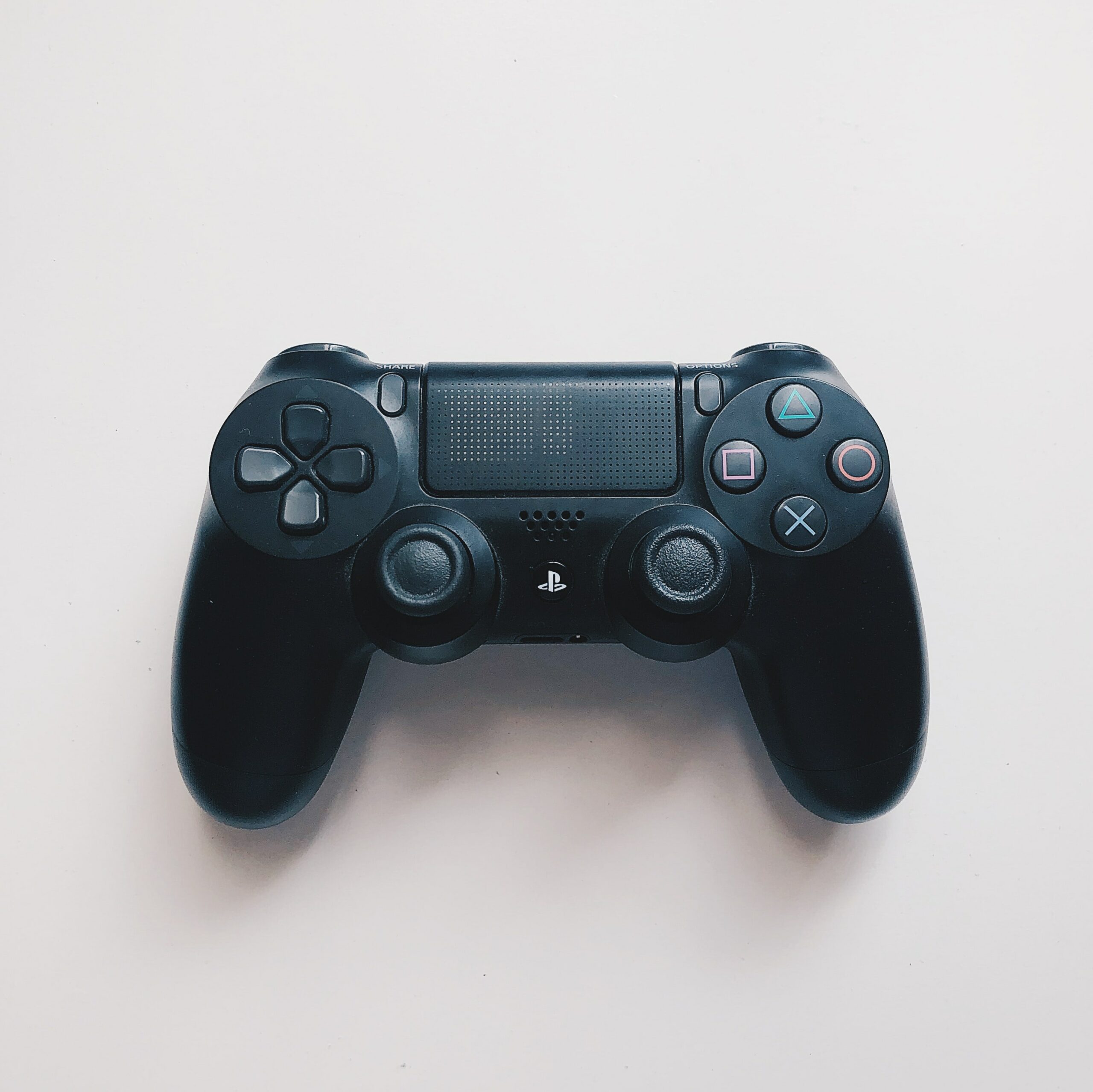
Today, video games are an inseparable part of the life for a large amount of the population. We prepared several interesting facts about this phenomenon for today's National Video Game Day. The first video game is considered to be an artificial intelligence called Bertie the Brain, which was able to play Tic-tac-toe.
This device was assembled in 1950 by Josef Kates to be exhibited at the Canadian National Exhibition. The first gaming device was up to 4 meters high, which is why it was never mass-produced. After the Canadian National Exhibition, no other piece was made again. Another computer adapted for playing a game was the Nimrod, which was introduced at the Festival of Britain in 1951. Nimrod and Bertie the Brain can be considered the founders of the world of video games in the form as we know it today.
In the process of creating video games, an original idea is essential. At the beginning, it is important to know what type of game you want to create, whether it will be a sports game, action or logic game. The creator of the video game must have an idea of the story, the length of the game, the budget and the levels of complexity. An important step is the right choice of software that will make the work easier for developers. The longest-lasting phase in the creation of the game is the creation itself - designing the environment and individual characters. Creating a video game is a demanding and lengthy process, the most pleasant part of which is the publication of the game.
We often come across the opinion that video games have a negative impact on the players. A group of scientists under the expert guidance of Marc Palaus looked at it and Scientists have found out that video game players have better-developed areas of the brain which are responsible for concentration and spatial perception. Those who play video games regularly can better perceive the relationships between individual objects in space, and also fine motor skills improve.
It is also important to remember the risks involved that can strongly affect people's lives. Even though gambling is the most common form of addiction, one can also be addicted to video games. Scientists have found out, že ľudia náchylní na závislosť na videohrách majú spoločné zmeny v štruktúre mozgu – pozmenený je ich nervový systém odmeňovania. Ide o skupinu štruktúr, ktorá je zodpovedná za prijemný pocit po úspešnom dosiahnutí stanovených cieľov. Na základe týchto výskumov môžeme tvrdiť, že je možné predpovedať, kto má väčšiu pravdepodobnosť stať sa závislým na videohrách.
However, we must not forget the positives, which, in addition to better spatial perception and improved fine motor skills, also include the development of certain skills that people have a problem with. It is important to mention games which are intended specifically to help people after strokes. These support re-learning of certain skills and also help the rehabilitation process.
A specialised museum is available for all those interested in video games on the premises of the Slovak Academy of Sciences in Bratislava The computer museum exhibits the first computers, telephones and graphics, or older models of game consoles and controllers. Functional machines are also available for trying out!
 Keď hmla nečakane udrie 22 Aug - Ako včas odhaliť hmlu ako „neviditeľnú“ hrozbu skôr, než ochromí naše cesty?
 Stop digitálnym pochlebovačom 16 Aug - Vedkyňa pomocou superpočítača prelomila zvyk modelov AI len prázdne chváliť a naučila ich dávať úprimnú, kritickú spätnú väzbu
 Odvrátená strana bezplatných hier 11 Jul - Ako slovenský tím s pomocou superpočítača vyriešil rébus extrémne vzácneho správania hráčov