
Uses of HPC for SMEs
On March 19th, an event titled Discover the Potential of the Supercomputer in Practicetook place in Bratislava, bringing together experts from the National Competence Center for High-Performance Computing (NCC) and the Slovak Chamber of Commerce and Industry (SOPK), thereby opening new horizons for collaboration with businesses utilizing big data, simulations, artificial intelligence in development or manufacturing technology.
The goal of the event was a meeting with experts from the NCC, during which participants had a unique opportunity to learn more about the benefits and possibilities of utilizing high-performance computing in their businesses. Companies were able to familiarize themselves with how modern technologies and high-performance computing could help make computational processes and data processing more efficient. Successful collaborative projects from the NCC portfolio were showcased, demonstrating the tangible benefits of HPC for selected enterprises.
The services of the National Competence Center for HPC were presented by Lucia Demovičová, who leads the NCC and focuses on collaboration with small and medium-sized enterprises, and Michal Pitoňák, an expert on mapping the HPC ecosystem and implementing pilot projects. Participants had the opportunity to discuss their specific needs with experts as well as to explore possibilities for future collaborations.
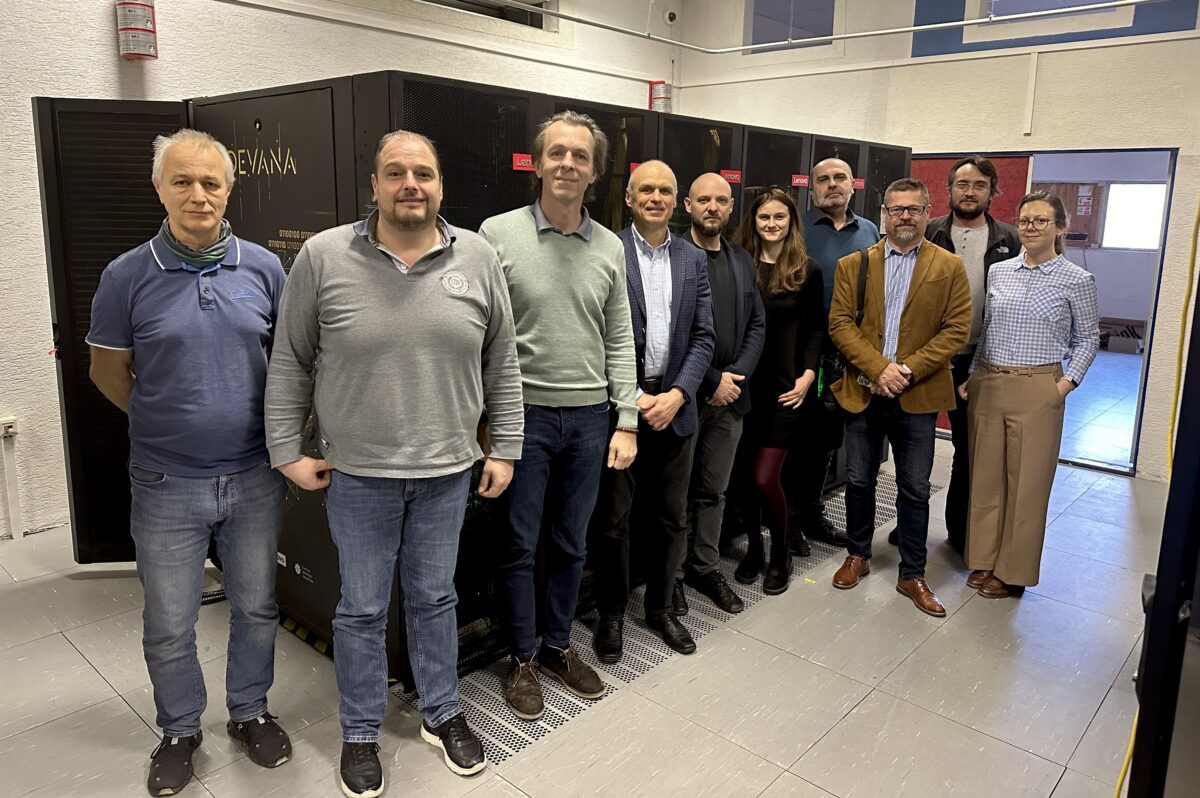
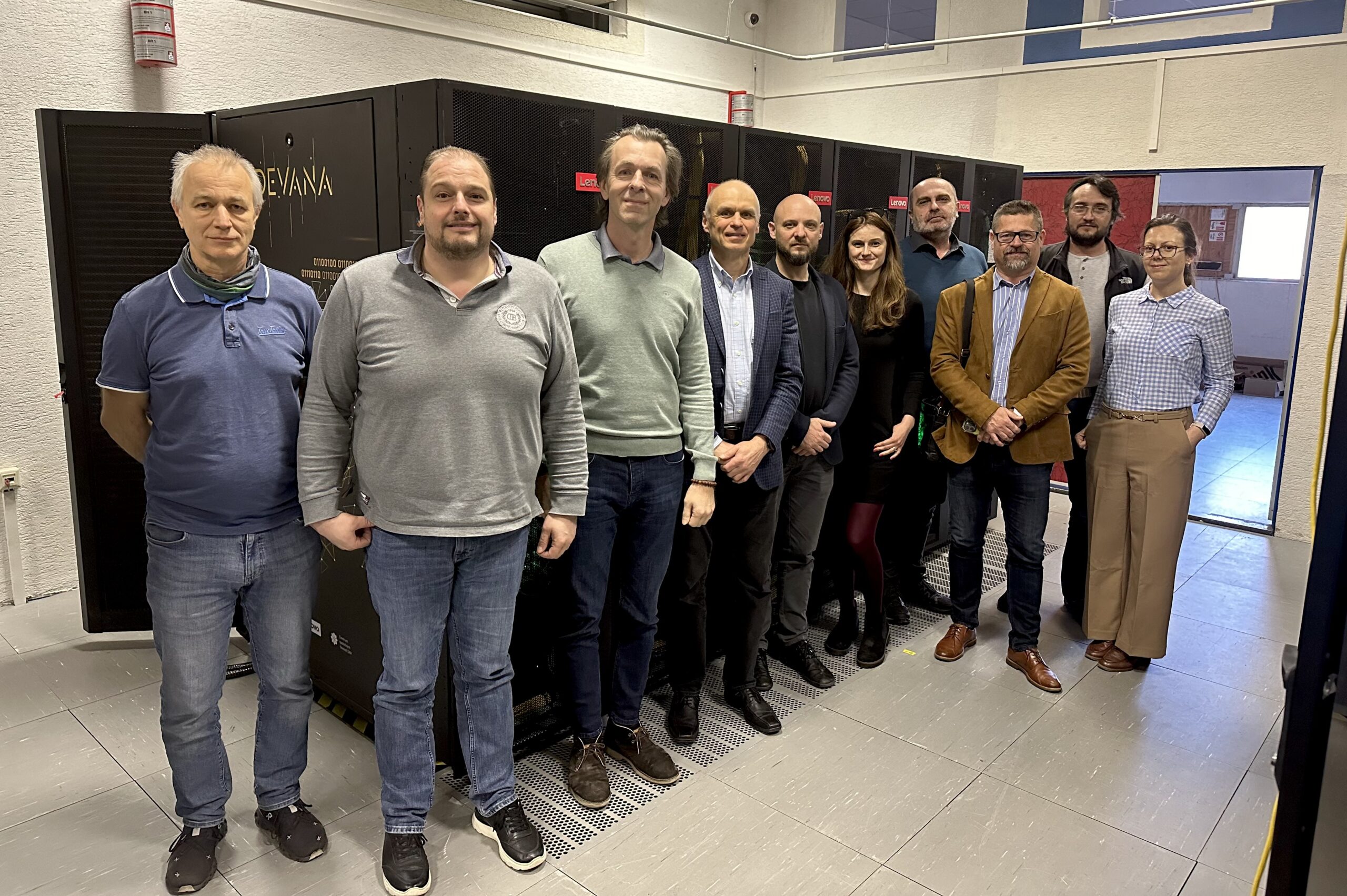
Experts also informed about the possibilities, availability, and conditions of using HPC services in Slovakia and Europe. A beneficial piece of information was the opportunity to utilize a testing allocation of HPC resources and the involvement of businesses in free pilot projects, which represents an interesting opportunity for SMEs to adopt HPC without the need for large initial investments. Part of the event was a tour of the Devana supercomputer, providing participants with a unique insight into the world of high-performance computing. ktorá účastníkom poskytla unikátny pohľad do sveta vysokovýkonných výpočtov.
 Konferencia Forbes Lepšie Slovensko 16 Sep - Konferencia Forbes Lepšie Slovensko patrí k najvýznamnejším platformám otvárajúcim diskusiu o modernej budúcnosti našej krajiny.
  Keď hmla nečakane udrie 22 Aug - Ako včas odhaliť hmlu ako „neviditeľnú“ hrozbu skôr, než ochromí naše cesty?
 Stop digitálnym pochlebovačom 16 Aug - Vedkyňa pomocou superpočítača prelomila zvyk modelov AI len prázdne chváliť a naučila ich dávať úprimnú, kritickú spätnú väzbu