
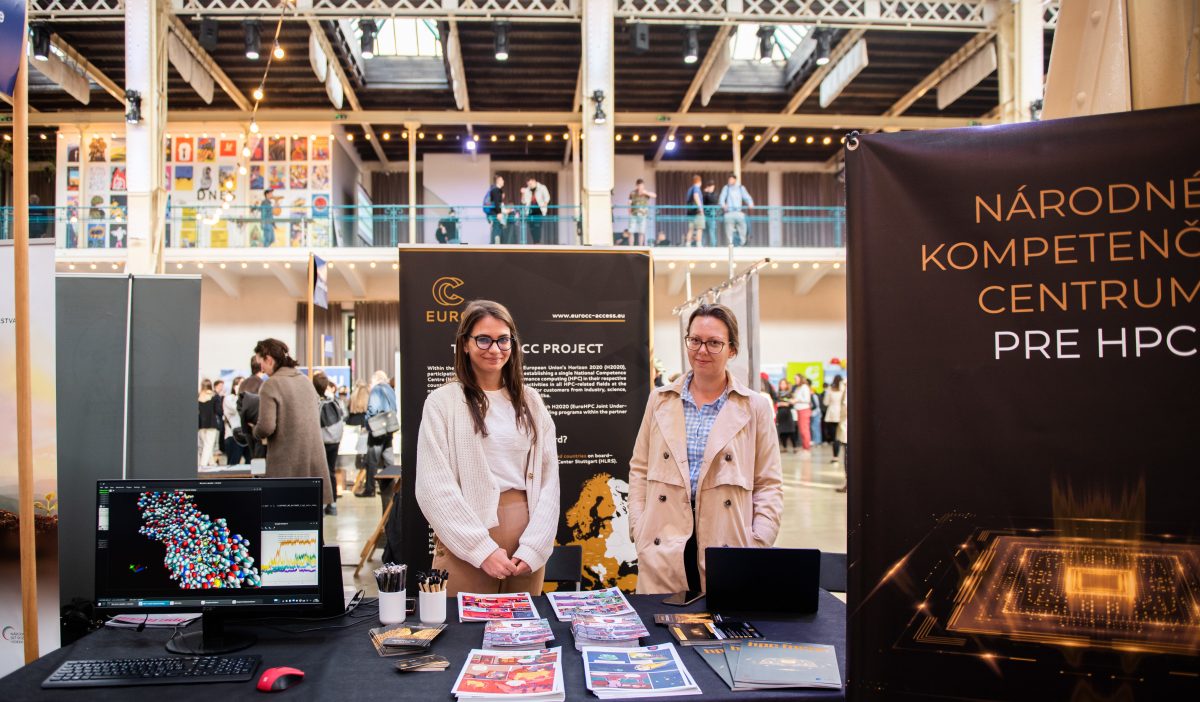
National Competence Centre for HPC on Europe Day
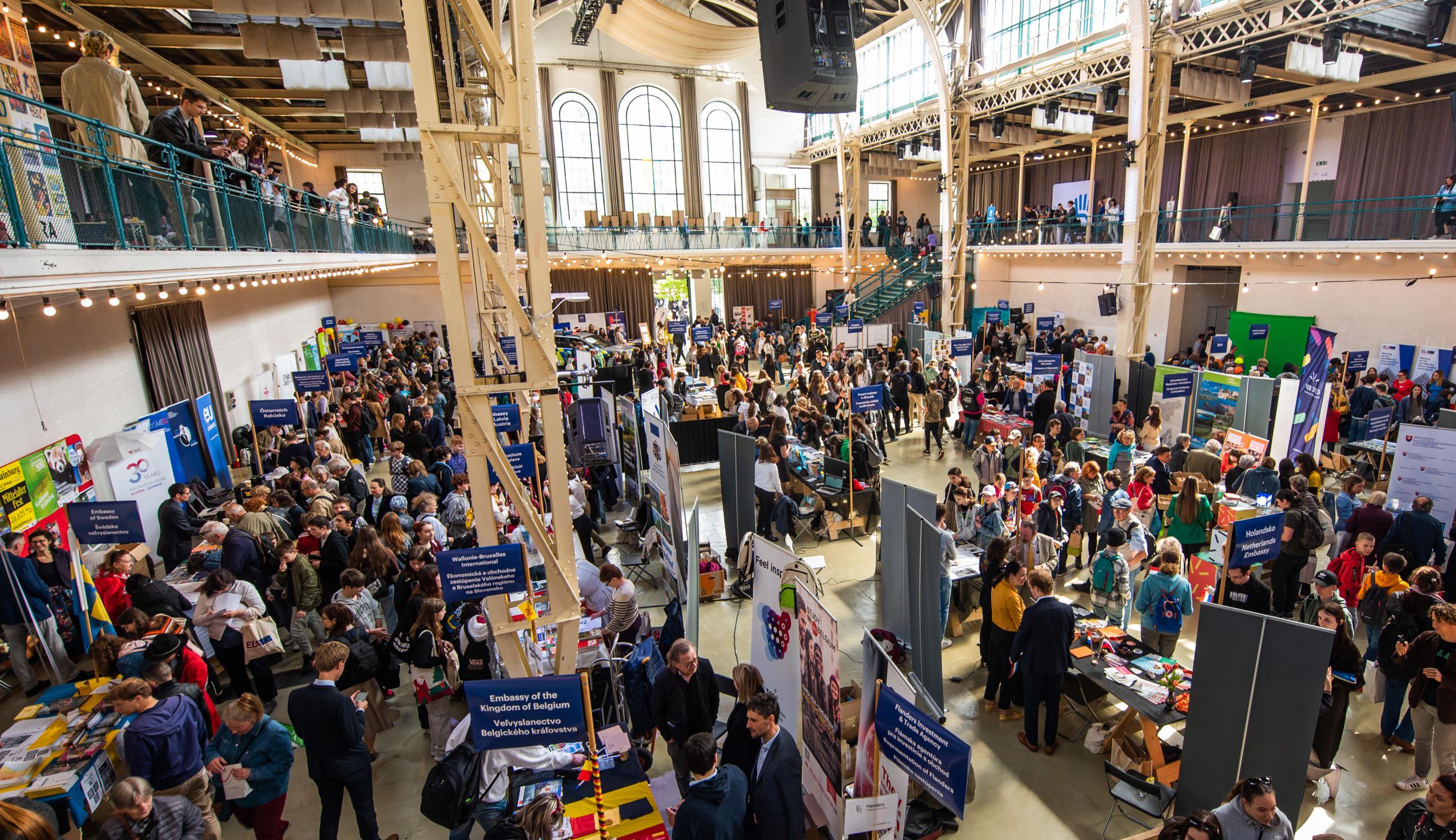
On May 9, the "birthday celebration" of the European Union took place in Bratislava's Stara tržnica. The Europe Day event was organized by the Office of the European Parliament and the Representation of the European Commission. The team of the National Competence Centre for High-Performance Computing also presented its activities on Europe Day. On Europe Day, we commemorate the Schuman Declaration which started modern European integration and led to the creation of the current European Union as a unique peaceful and democratic project. Schuman Declaration which started modern European integration and led to the creation of the current European Union as a unique peaceful and democratic project.
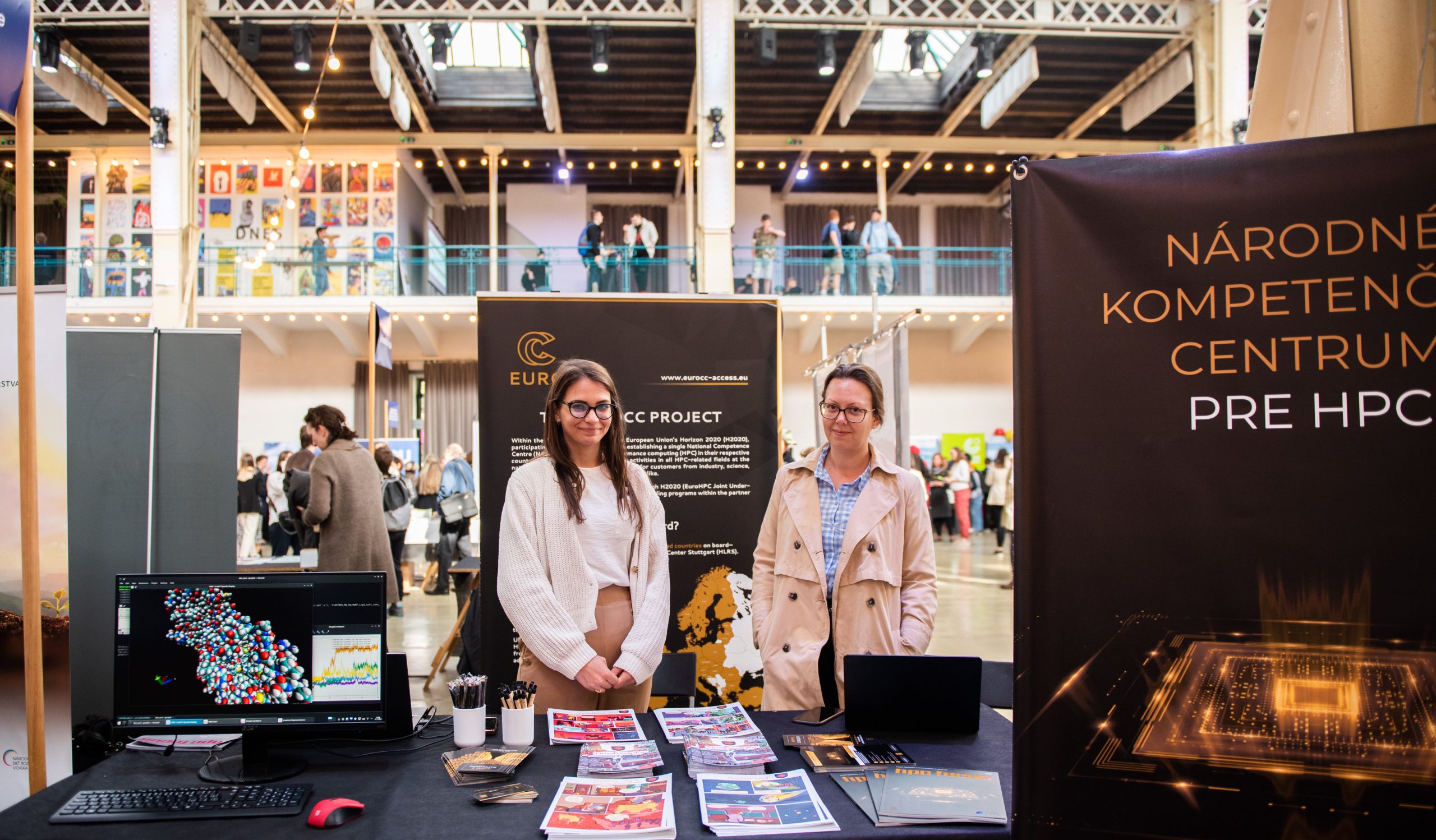
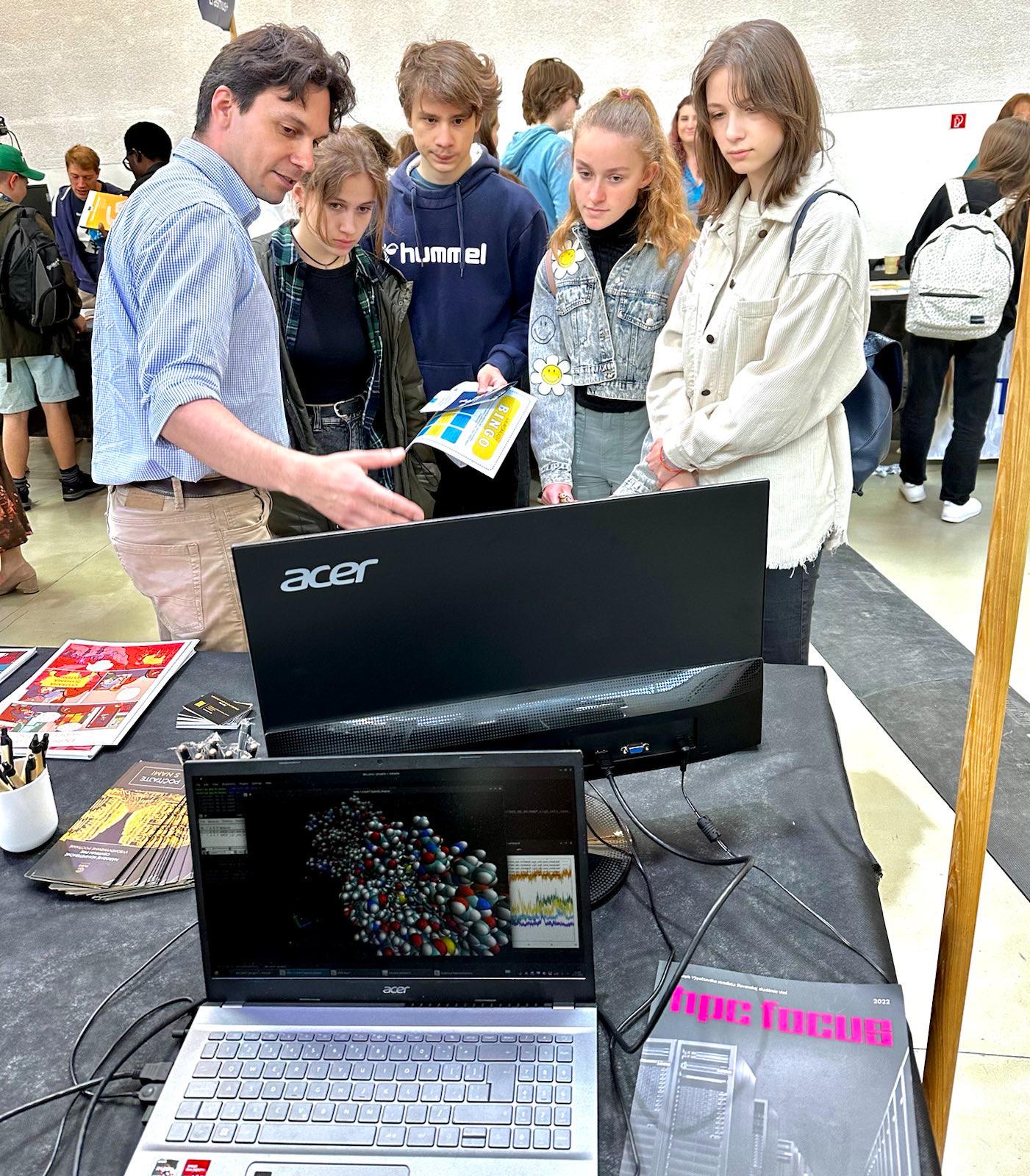
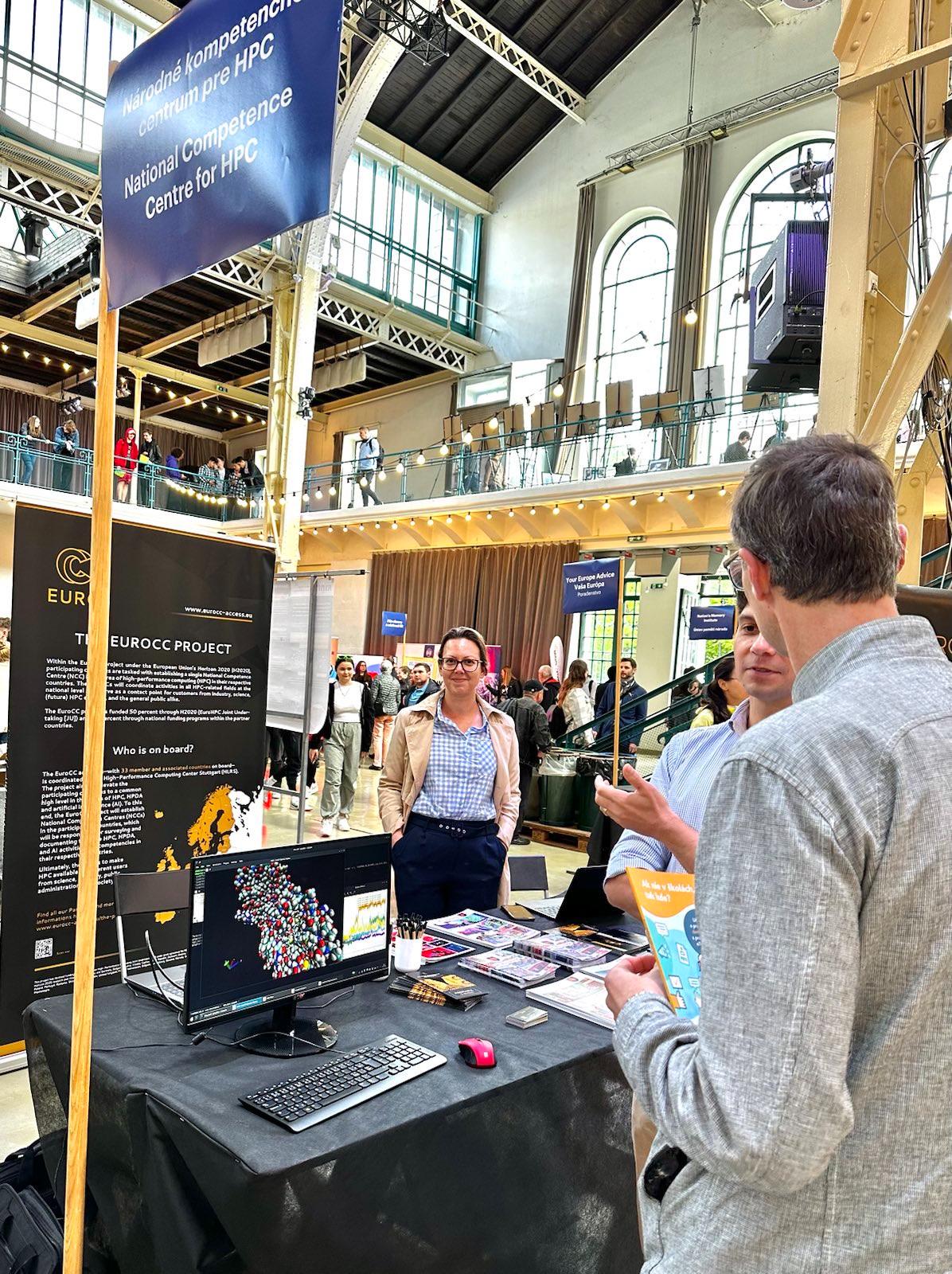
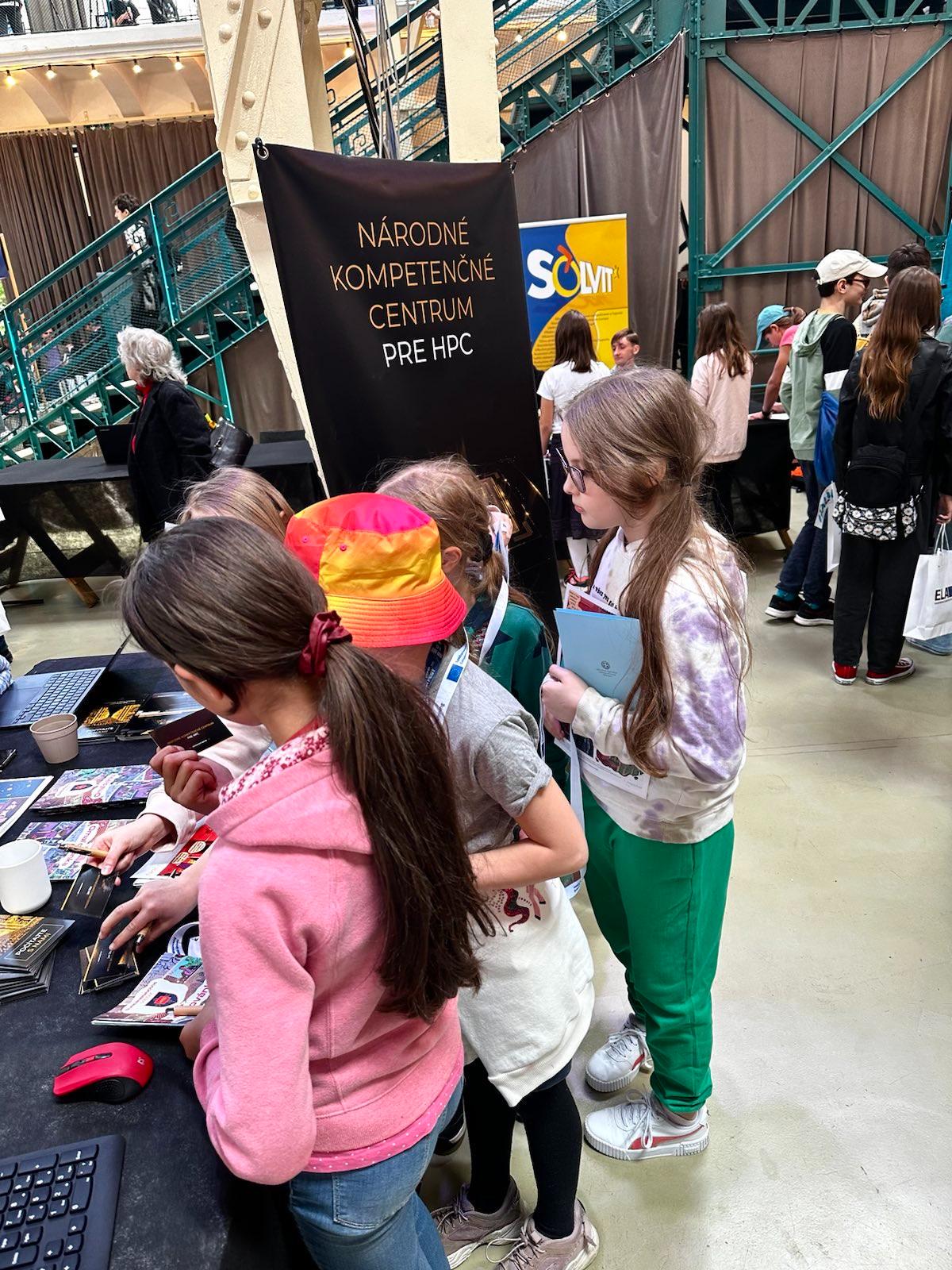
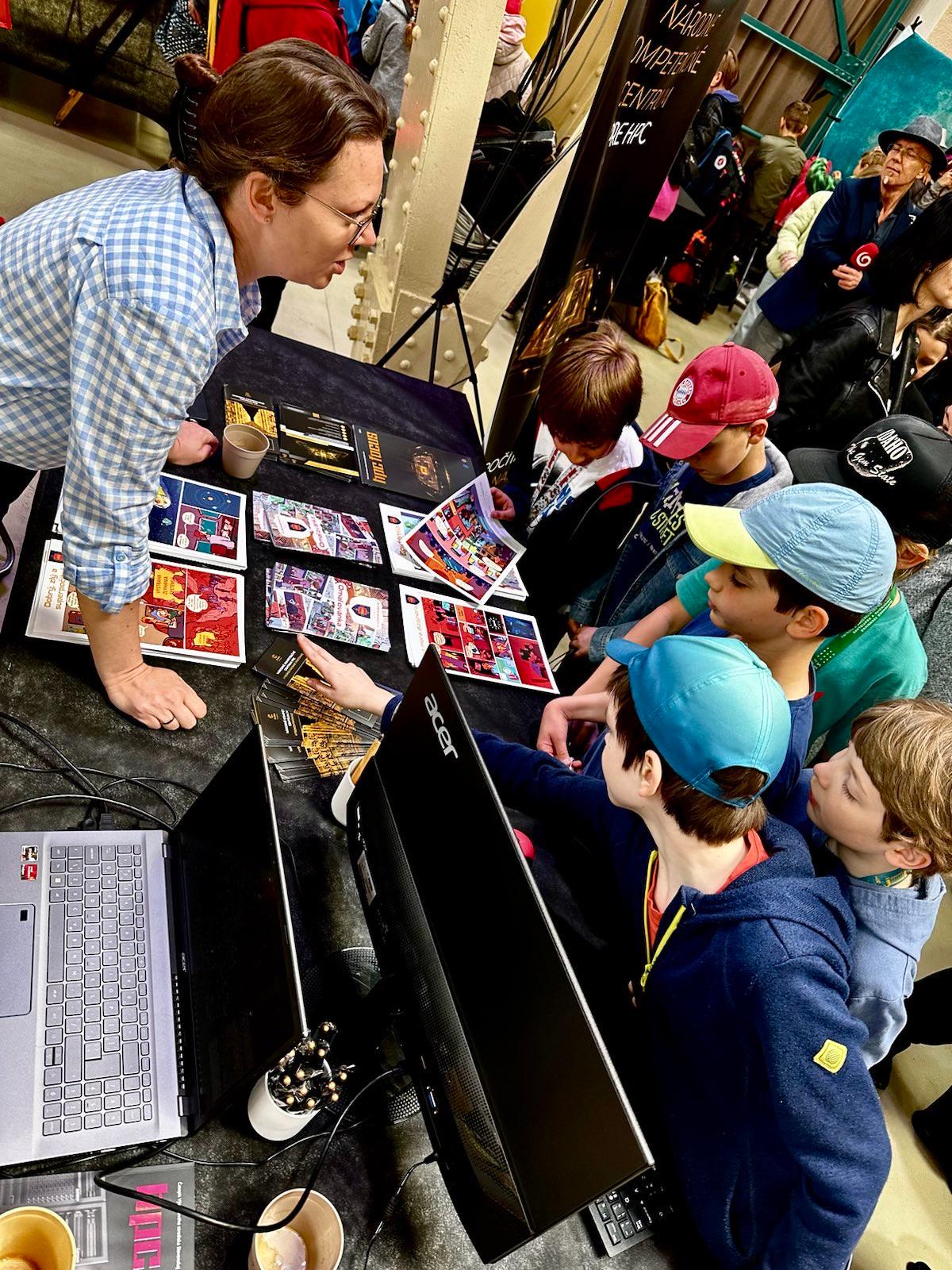
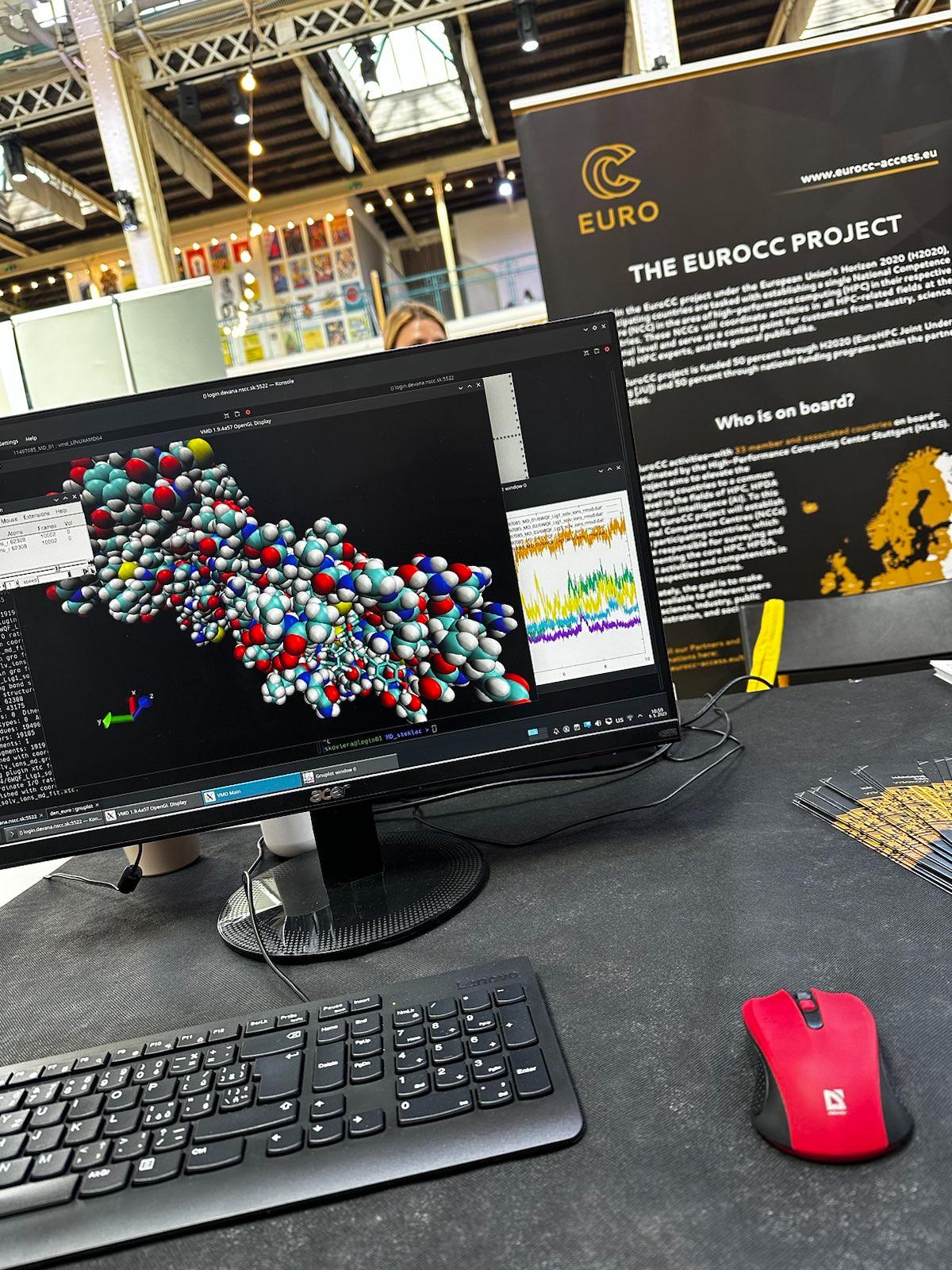
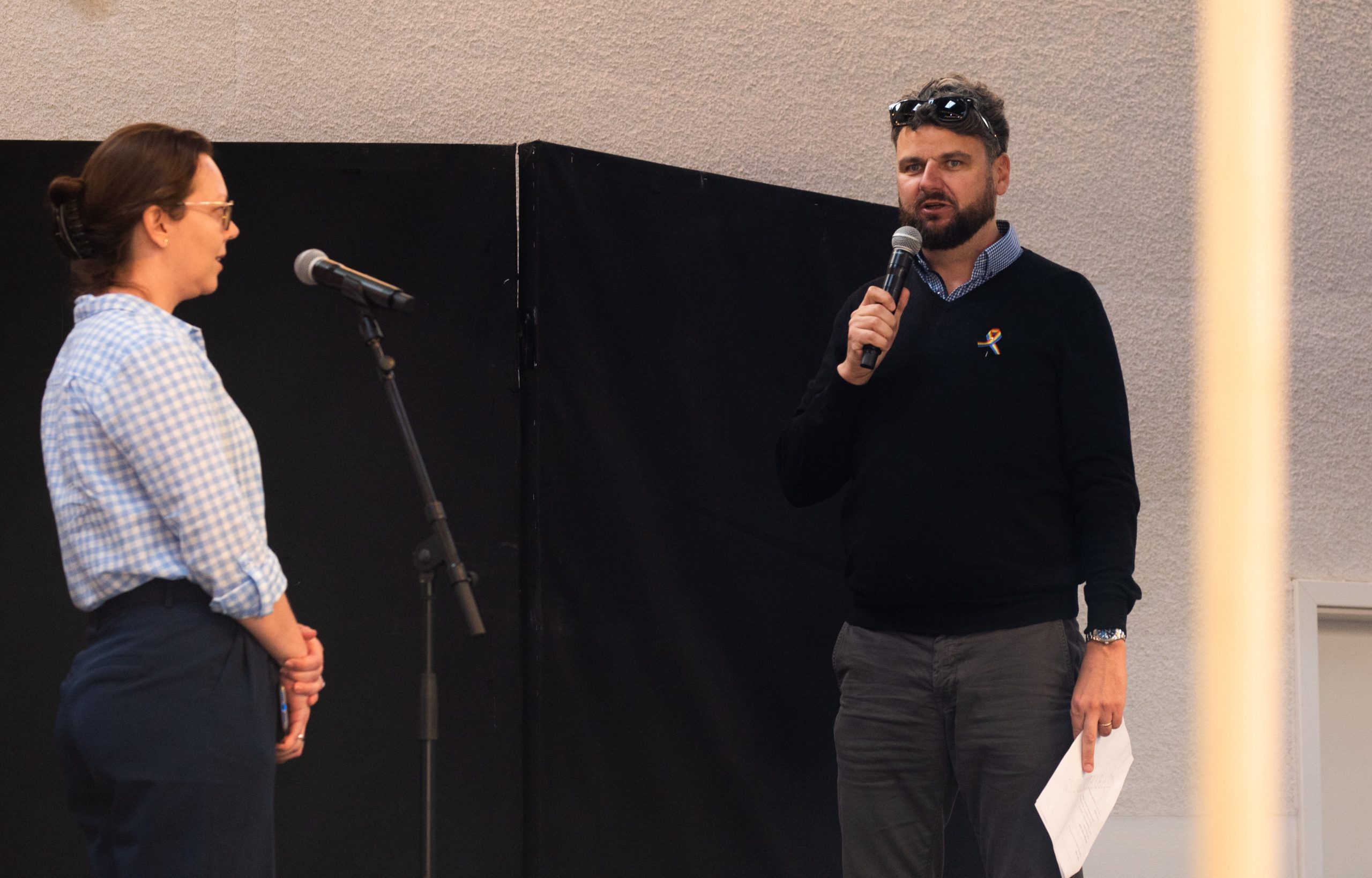
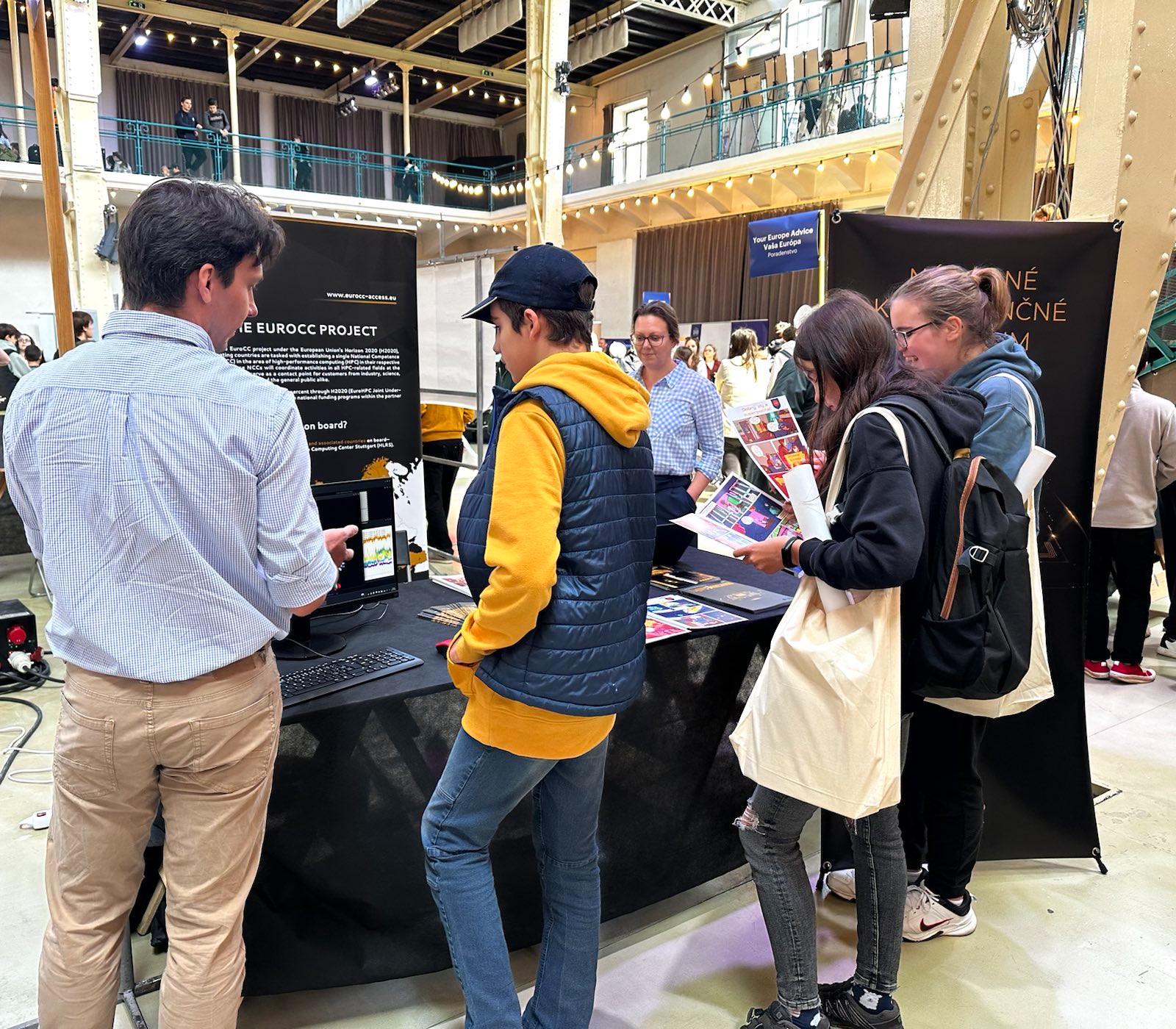
Information stands of EU member states, the European Parliament and the European Commission were available to the general public. The event also featured the stand of the National Competence Centre for High-Performance Computing (NCC for HPC). The NCC team presented the activities and services of the National Competence Centre for HPC. Through an interactive demonstration of simulations of potential drugs against the Covid-19 disease, we brought the participants closer to what calculations supercomputers can be used for. During the event, Lucia Demovičová spoke on stage and presented the National Competence Centre for HPC to the public. She explained how the competence centre can help scientists, researchers, and also small and medium-sized entrepreneurs. She also presented successful examples of cooperation with the private and public sector and invited participants to our information stand.
„Cooperation between countries based on peace, freedom and mutual respect is not a matter of course even today. Let us therefore appreciate that Slovakia can be part of the European Union, which protects these values. Since European elections await us next year, the Europe Day celebrations will also be an evaluation of what European democracy has brought us in practice over the past four years. The events will focus on specific results of the European Parliament's work in areas such as EU energy independence, internet security, defense of democracy, support for Ukraine and fair transformation of the economy in the fight against climate change," said the head of the EP Office in Slovakia, Robert Sermek.
„Every year on May 9, we celebrate the achievements and unity of Europe. The signing of the Schuman Declaration in 1950 laid the foundations for cooperation between European countries and today's European Union. Slovaks do not want to be foreigners in Europe, it is our home, and therefore Europe Day is also a great opportunity to celebrate our common European identity across all member states. The symbolism of this day confirms the unity of Europeans and at the same time expresses the beauty of a number of different cultures, languages and traditions that benefit the entire European Union and all Europeans",“ uviedol vedúci Zastúpenia Európskej komisie na Slovensku Vladimír Šucha.
Europe Day celebrations in Bratislava were organized by the Representation of the European Commission in Slovakia, the Office of the European Parliament in Slovakia, the European Labor Authority, the European Investment Bank, the European Fund for Regional Development from Stará tržnica.The visitors enjoyed the workshops, competitions, but also the accompanying program moderated by Ján Gordulič. The celebrations culminated in Jana Kirschner's evening concert.
You can watch the video of the event HERE.

 Keď hmla nečakane udrie 22 Aug - Ako včas odhaliť hmlu ako „neviditeľnú“ hrozbu skôr, než ochromí naše cesty?
 Stop digitálnym pochlebovačom 16 Aug - Vedkyňa pomocou superpočítača prelomila zvyk modelov AI len prázdne chváliť a naučila ich dávať úprimnú, kritickú spätnú väzbu
 Odvrátená strana bezplatných hier 11 Jul - Ako slovenský tím s pomocou superpočítača vyriešil rébus extrémne vzácneho správania hráčov