
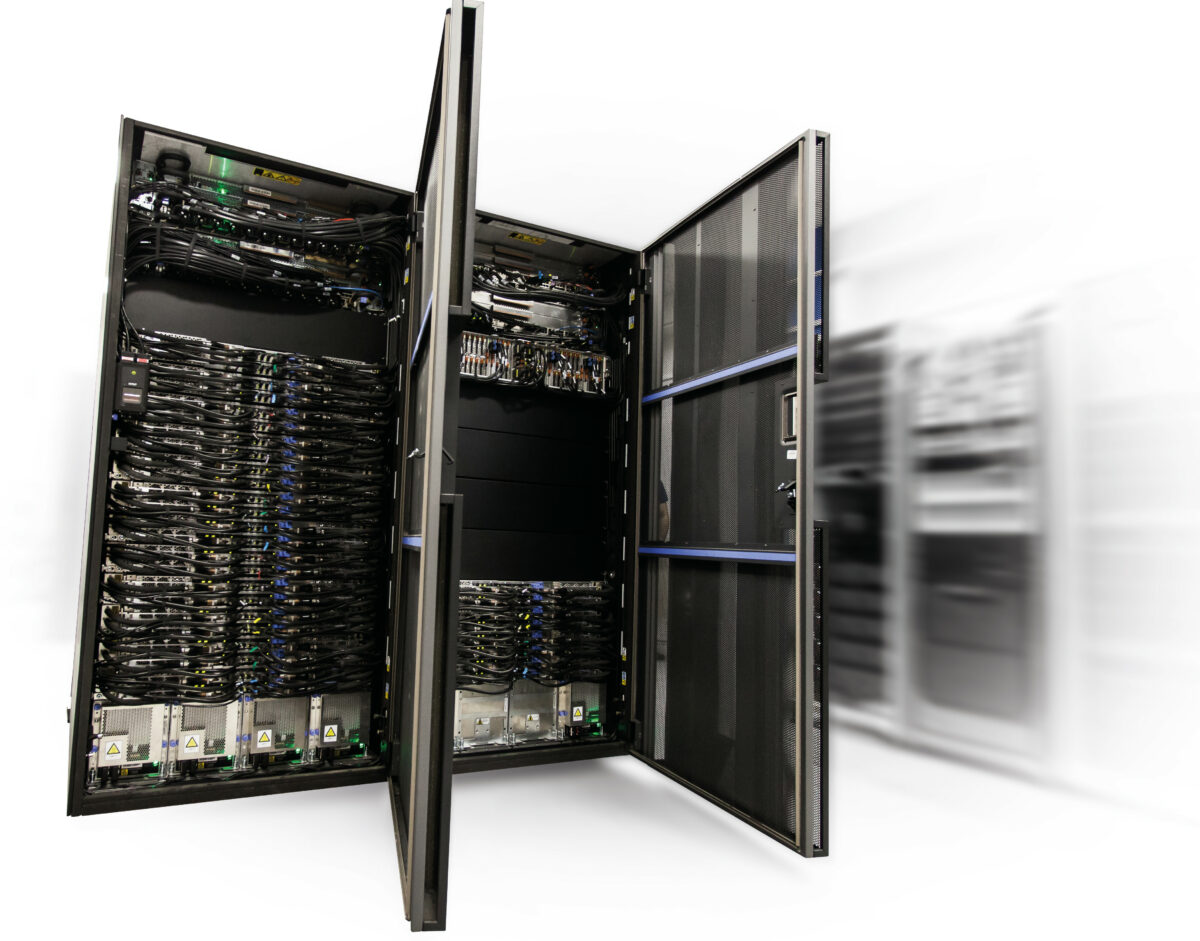
Public procurement of a new supercomputer
The Cente of Operations, Slovak Academy of Sciences has started a public procurement process to purchase a new supercomputer for the National competence centre for HPC. Research and development experts from academia and also the public and private sectors will take advantage of the new computational capacities.
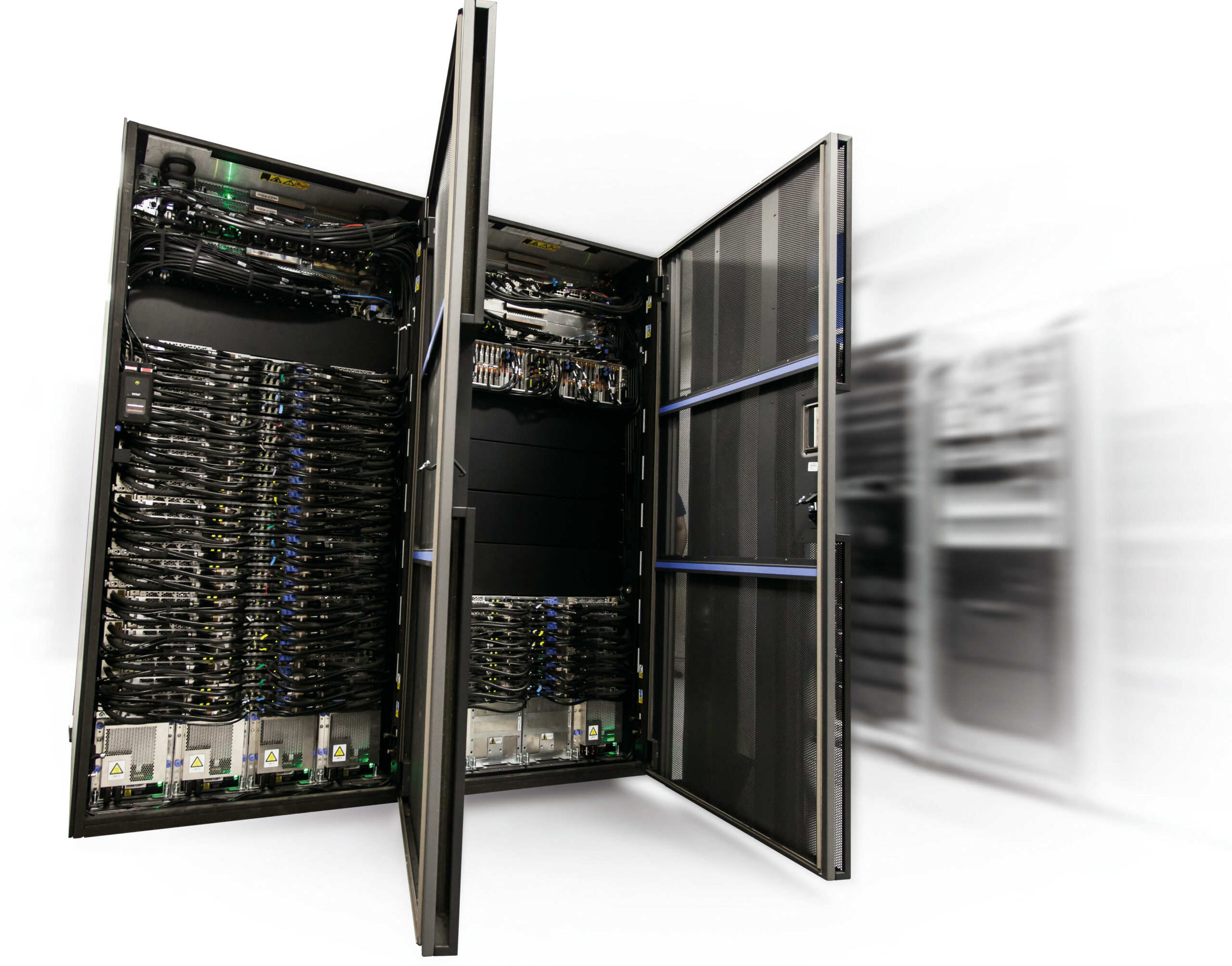
The access policy will be directed solely by the COO SAS. The new supercomputer will be accessible to academic groups, public sector organizations and also small and medium enterprises (SMEs).
Information and further details concerning the procurement were published via the tenders electronic daily portal, a supplement of the Official Journal of the EU (30.7.2021) and the Journal of the Office for Public Procurement (2.8.2021). After the 60 day period for the tender submissions and the subsequent evaluation the whole process will be reviewed by the Ministry of Investments, Regional Development and Informatization of the Slovak Republic from Office for Public procurement. The new supercomputer should be operational in the first half of the 2022.
The project National competence centre for HPC. (ITMS2014+ 311071AKF2) is financed through the Operational programme Integrated Infrastructure: OPII-2020/7/55-NP. One of the goals of this project is to support Slovak enterprises, especially the SMEs and to raise their innovation potential. This will be achieved by creating a platform for effective adoption of the HPC+ technologies, which is in alignment with the Slovak strategy for digital transformation. The EU Structural Funds will be used for procurement of a new HPC system, thus providing technical support and basis of the National competence centre.
 Keď hmla nečakane udrie 22 Aug - Ako včas odhaliť hmlu ako „neviditeľnú“ hrozbu skôr, než ochromí naše cesty?
 Stop digitálnym pochlebovačom 16 Aug - Vedkyňa pomocou superpočítača prelomila zvyk modelov AI len prázdne chváliť a naučila ich dávať úprimnú, kritickú spätnú väzbu
 Odvrátená strana bezplatných hier 11 Jul - Ako slovenský tím s pomocou superpočítača vyriešil rébus extrémne vzácneho správania hráčov