
Can we exploit the HPC possibilities in basic research effectively?
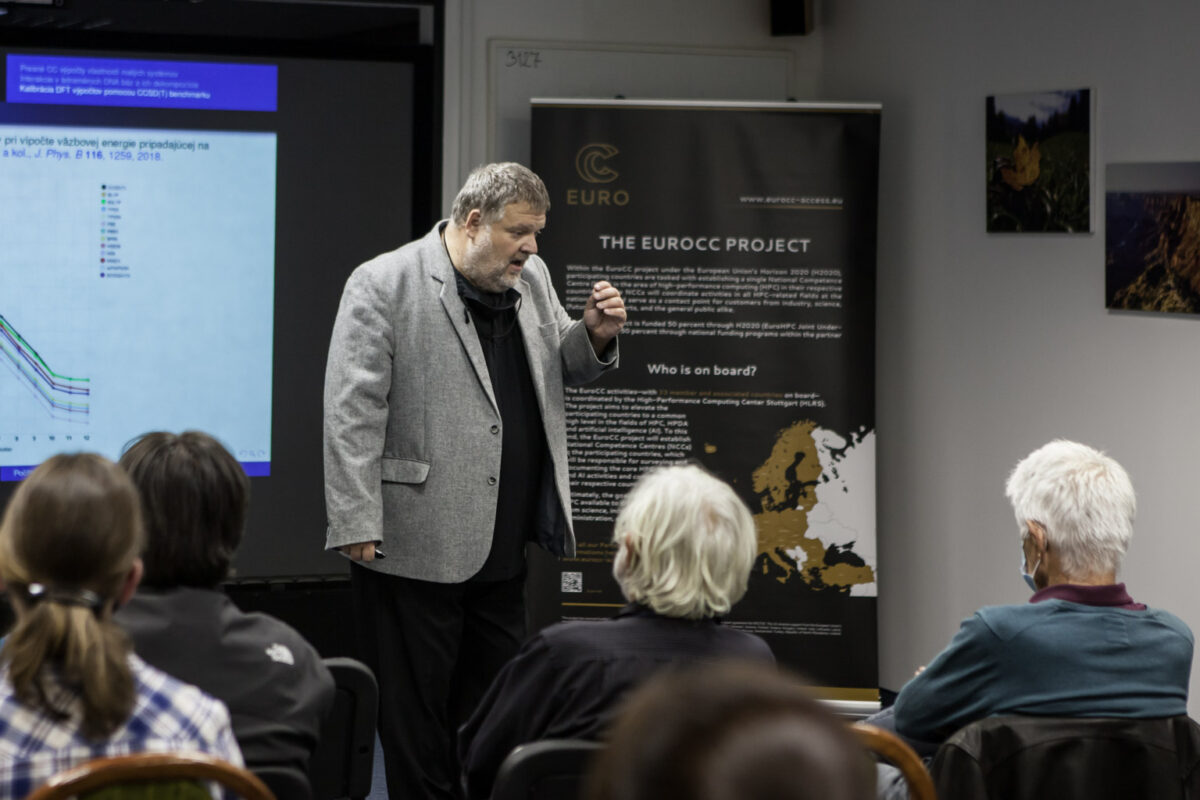
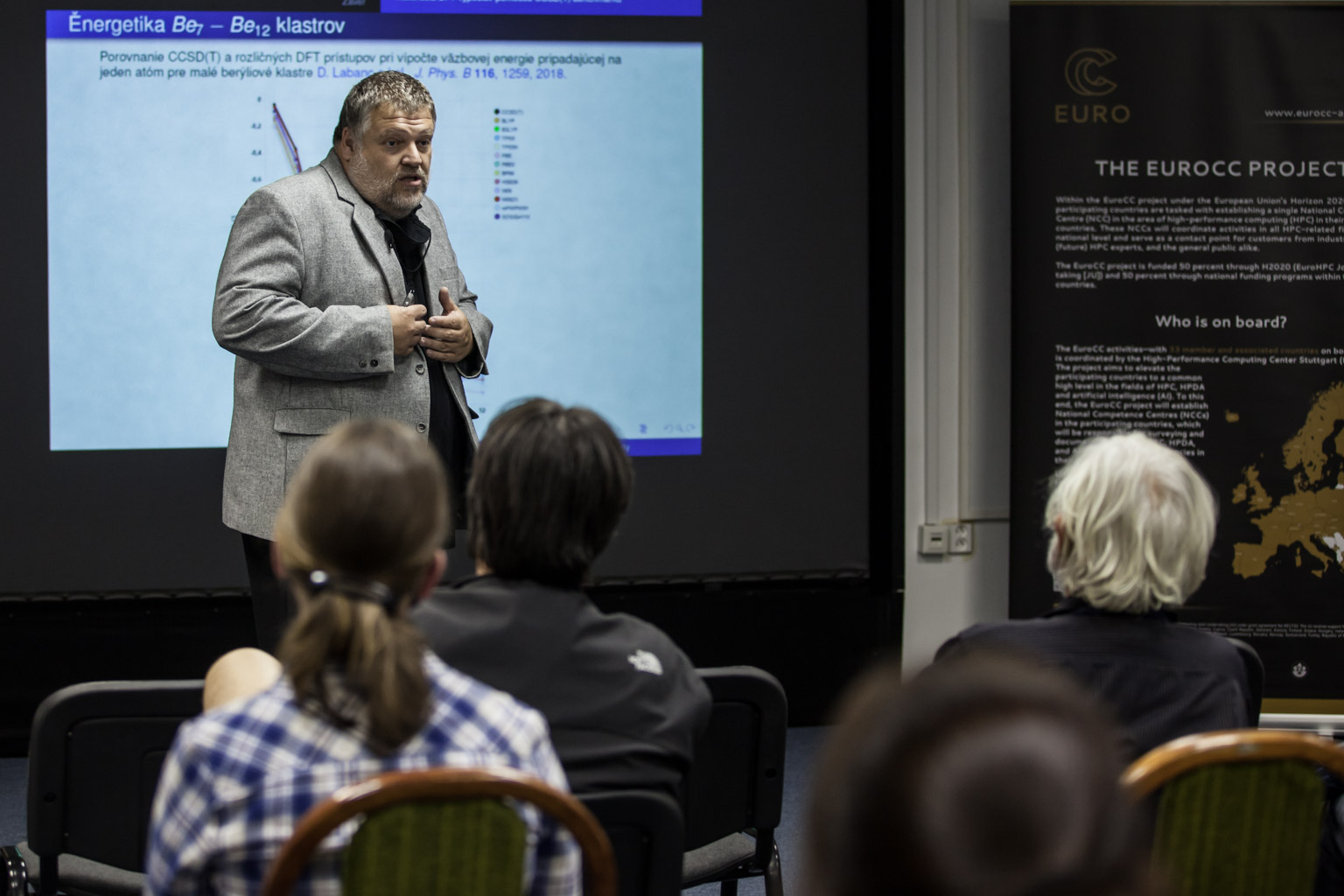
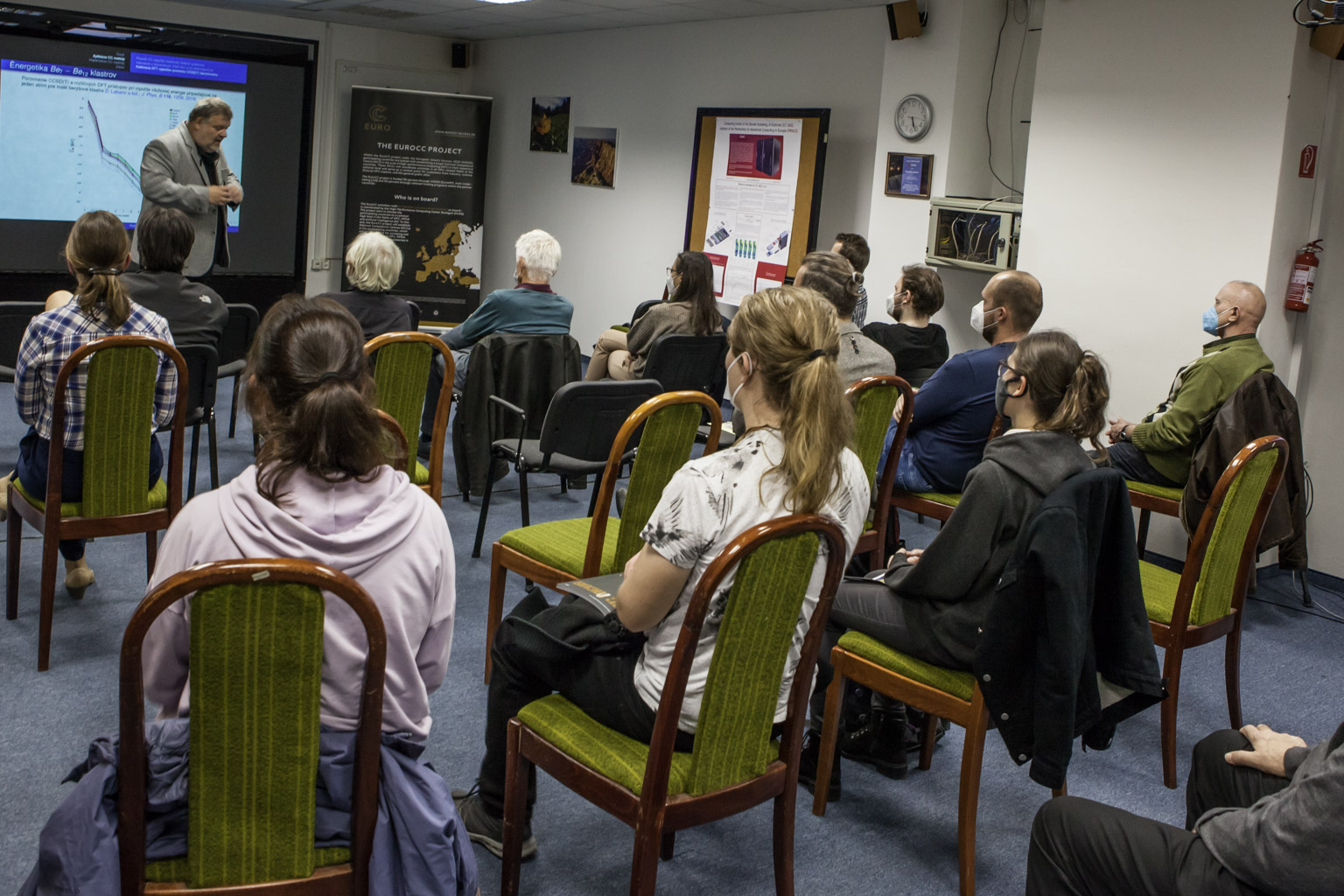
On October 12, 2021 the second lecture of our „Supercomputing in science“ series took place on the premises of the Computational centre of the Slovak Academy of Sciences Pavel Neogrády from the Department of physical and theoretical chemistry of the Faculty of Natural Sciences CU talked about highly accurate computational methods in the field of theoretical chemistry and about their complexity and numerical intricacies.
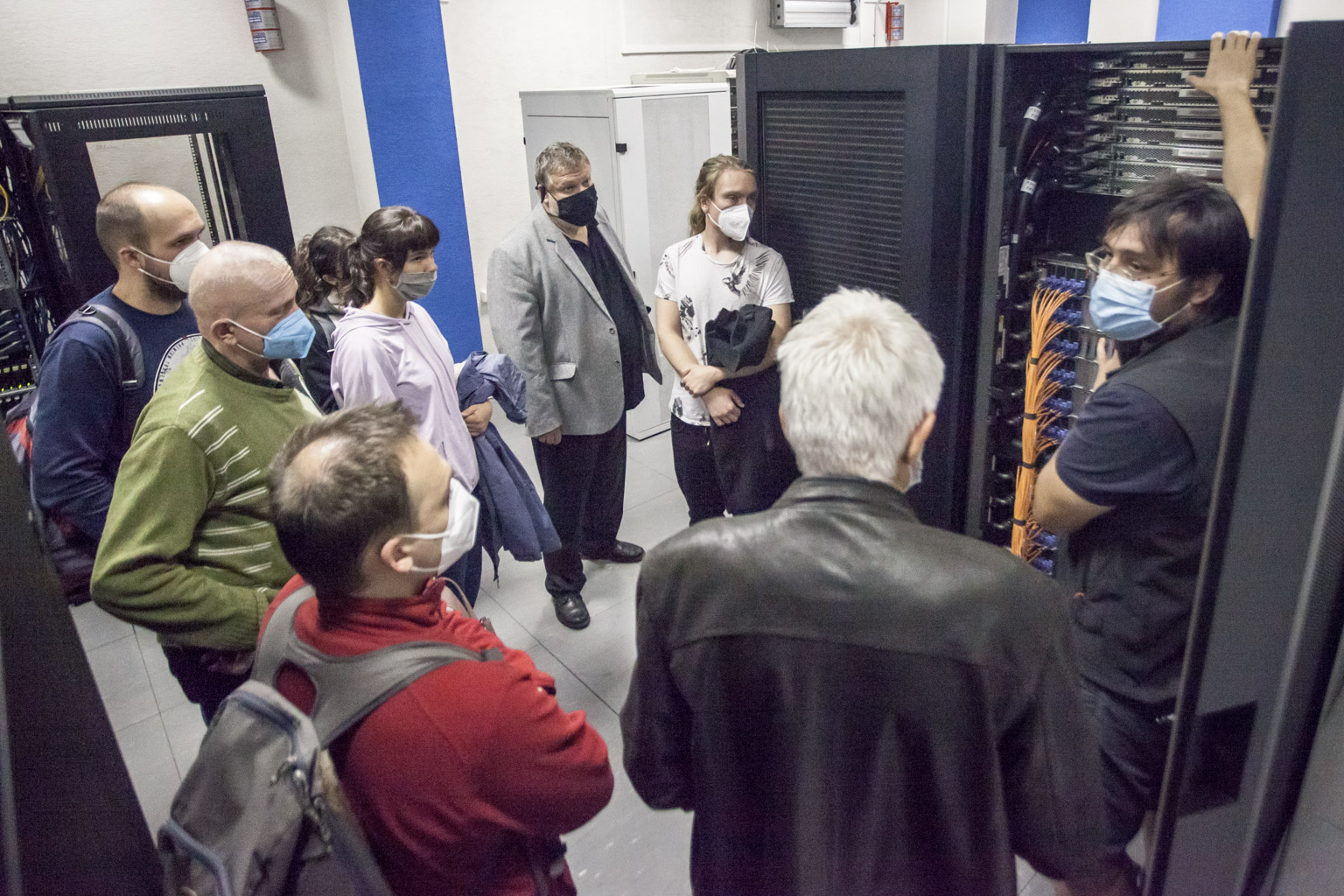
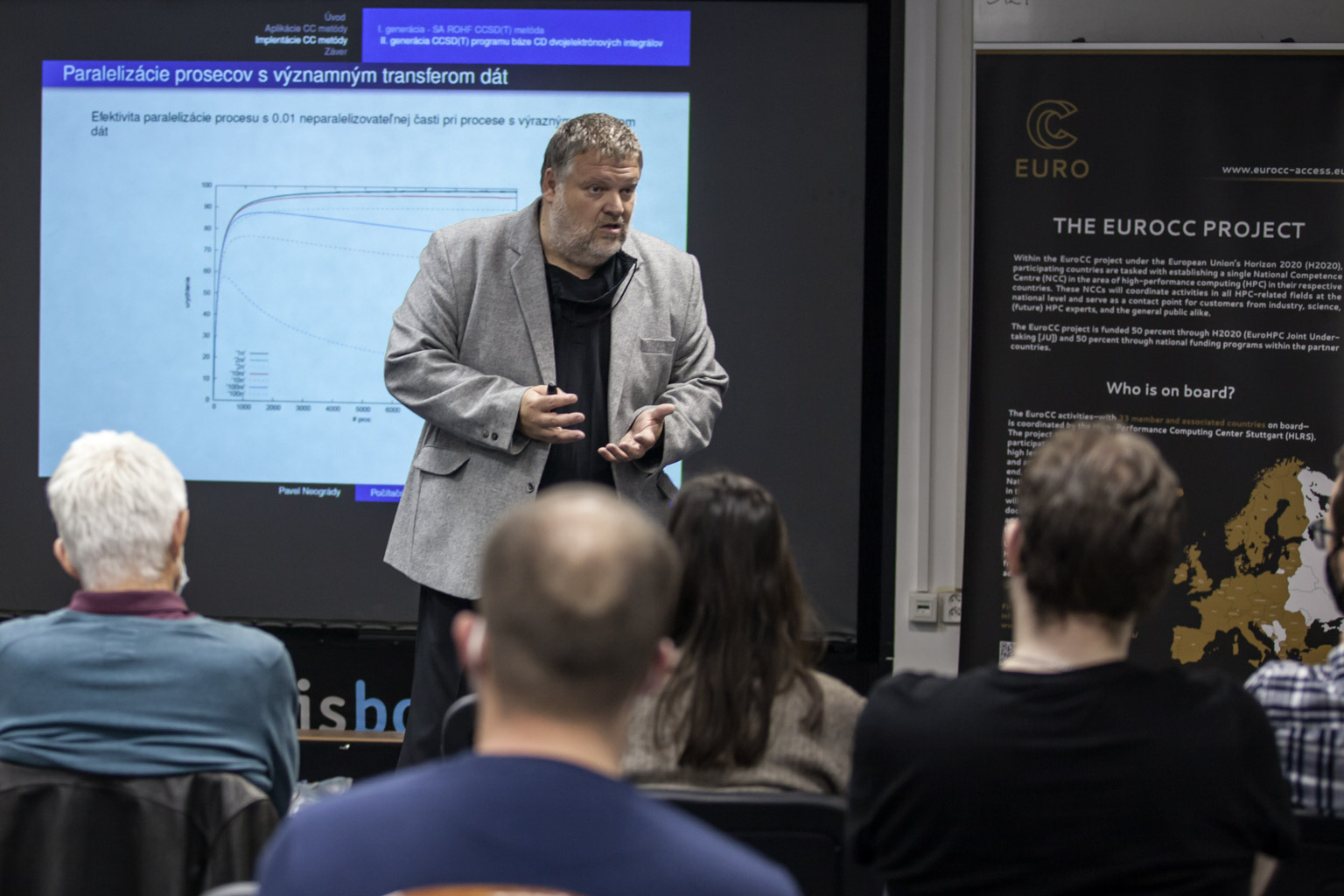
There are a lot of HPC users in Slovakia that work with this type of applications and algorithms in their research. As one of the developers of chemical modelling methods Pavel also elaborated on his experience with effective software parallelization and described the main issues in the implementation. Although the computational cost of these methods is prohibitive for modelling larger systems, they are used for calibrating of other methods capable of describing and predicting properties of complex molecules, such as new drugs or materials.
Lecture series is a joint activity of the Computer museum COO SAS and National Competence Center for HPC. NCC, as the primary contact point for HPC in Slovakia, covers, among other things, educational and dissemination activities in this area.
You can watch the recording of the event on Facebook and YouTube and you can already register for our next lectures. Schedule and registration:
- October 26, 17:00 - Development of technology and computer architecture – from 1-processor serial computers to supercomputers
Martin Šperka (Computer Museum, COO SAS) - November 9, 17:00 - Operation systems in multiprocessor clusters
Dušan Bernát (Faculty of mathematics, physics and informatics, Comenius University) - November 23, 17:00 - Short guide to software parallelization
Jaroslav Suchánek (Biomedical Research Center, SAS) - December 7, 17:00 - Federated distributed computing
Ladislav Hluchý (Institute of Informatics SAS) - December 21, 17:00 - Modelling of 2D systems properties using the Quantum Monte Carlo methods
Ivan Štich (Institute of Physics SAS)
More information about the series


 Keď hmla nečakane udrie 22 Aug - Ako včas odhaliť hmlu ako „neviditeľnú“ hrozbu skôr, než ochromí naše cesty?
 Stop digitálnym pochlebovačom 16 Aug - Vedkyňa pomocou superpočítača prelomila zvyk modelov AI len prázdne chváliť a naučila ich dávať úprimnú, kritickú spätnú väzbu
 Odvrátená strana bezplatných hier 11 Jul - Ako slovenský tím s pomocou superpočítača vyriešil rébus extrémne vzácneho správania hráčov