
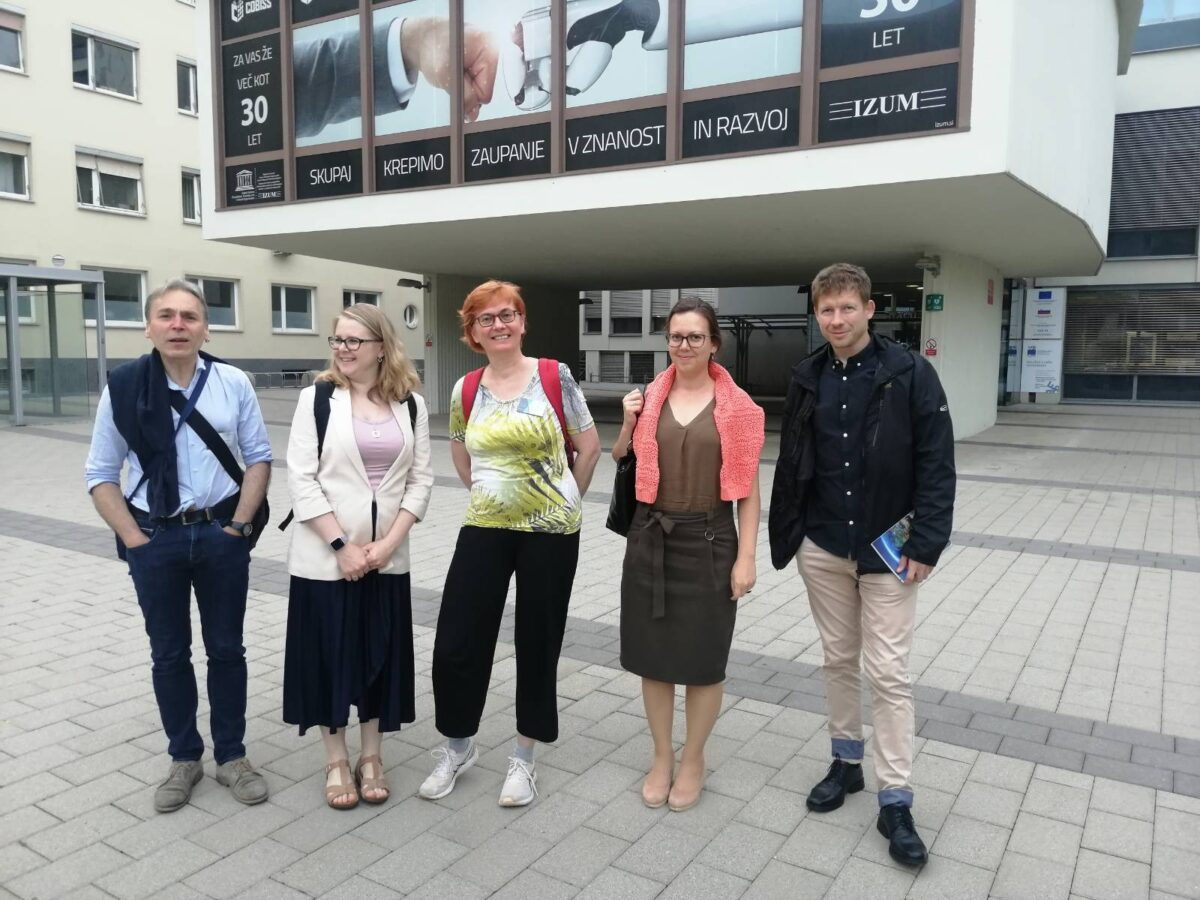
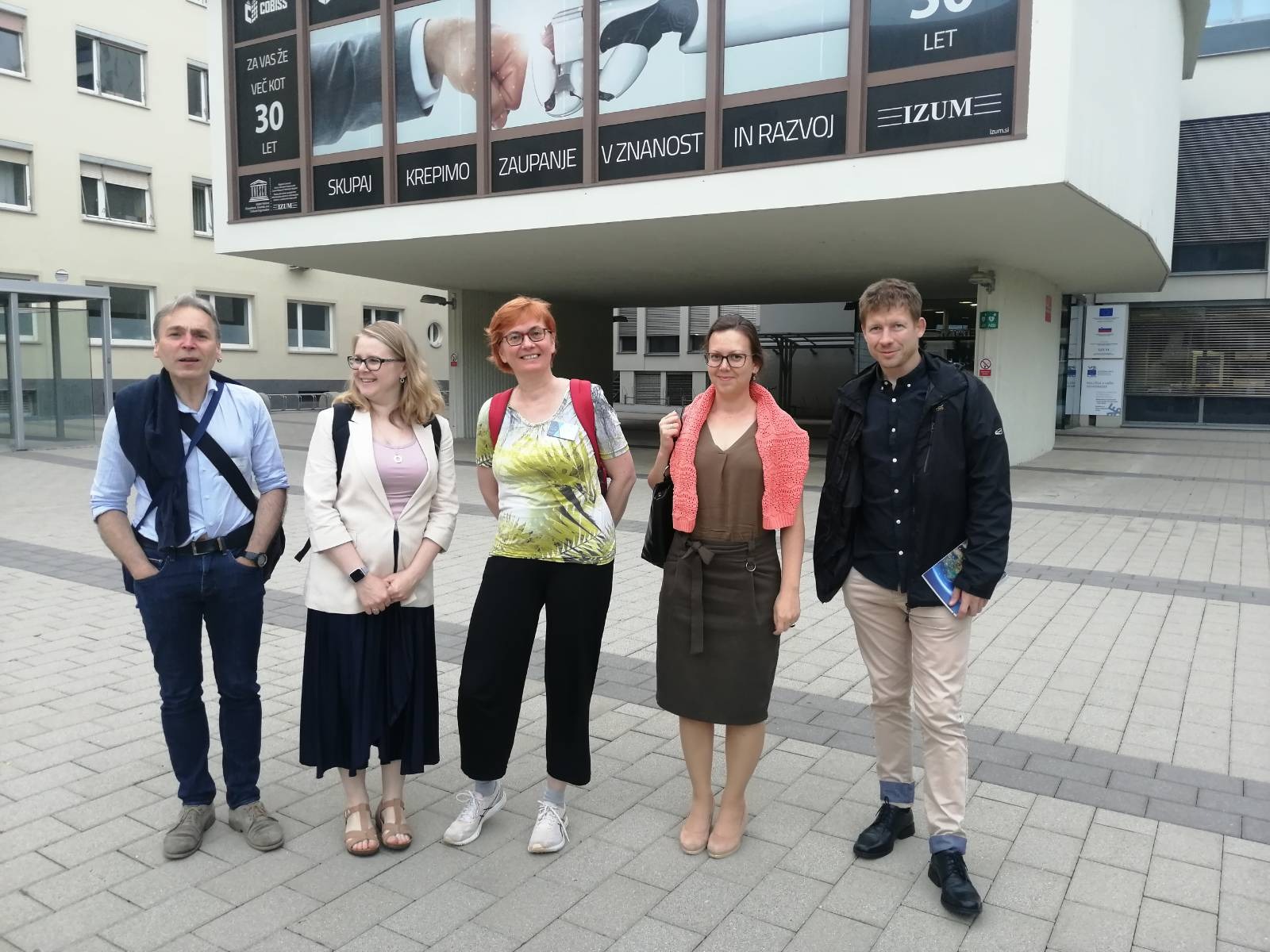
Central European NCC working group in Maribor
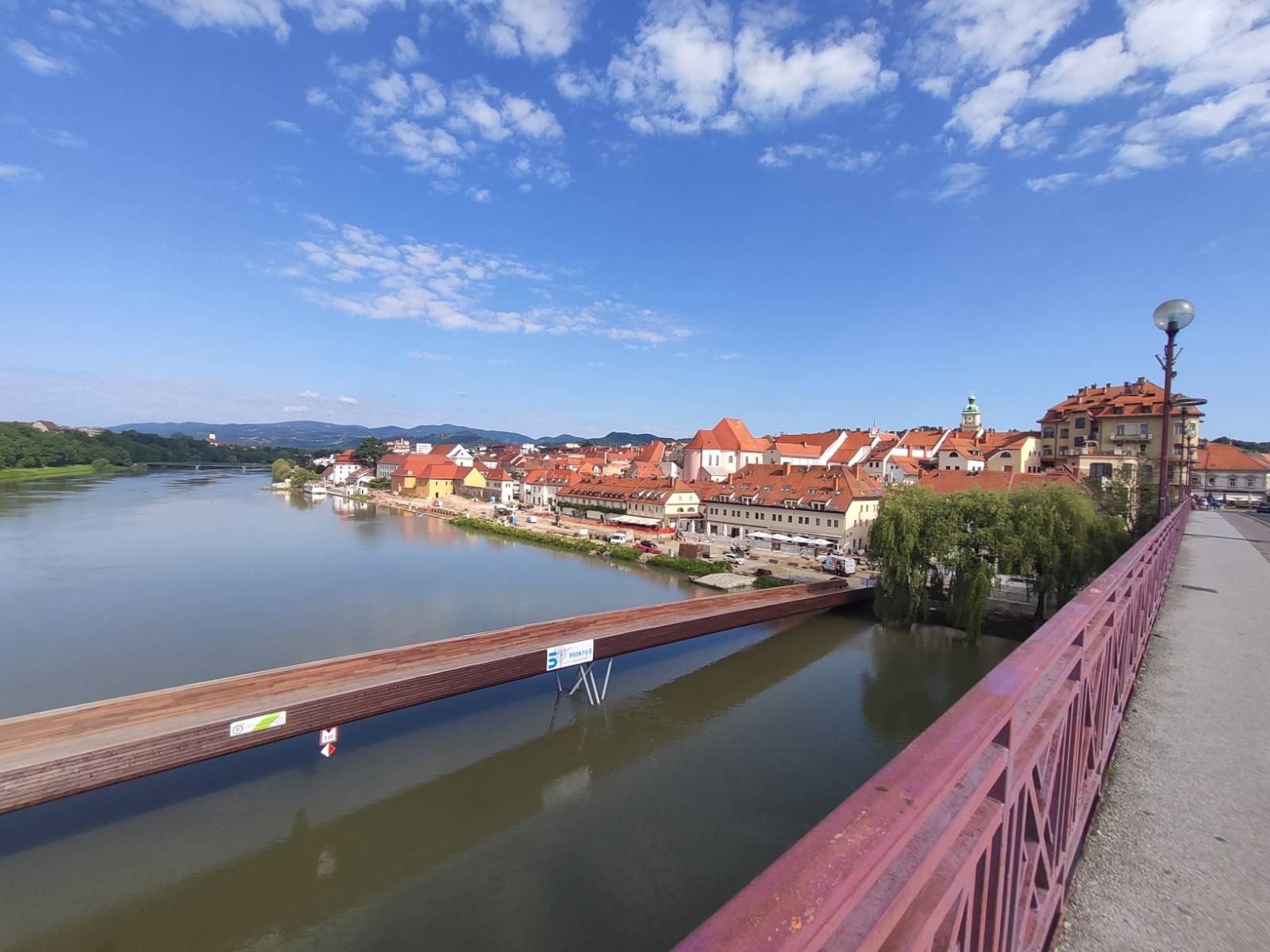
On June 12, representatives from national competence centres for HPC situated in the central Europe region met during the first Central European NCC working group.. The event was organized by NCC Slovenia and NCC Austria in Maribor, Slovenia and online.
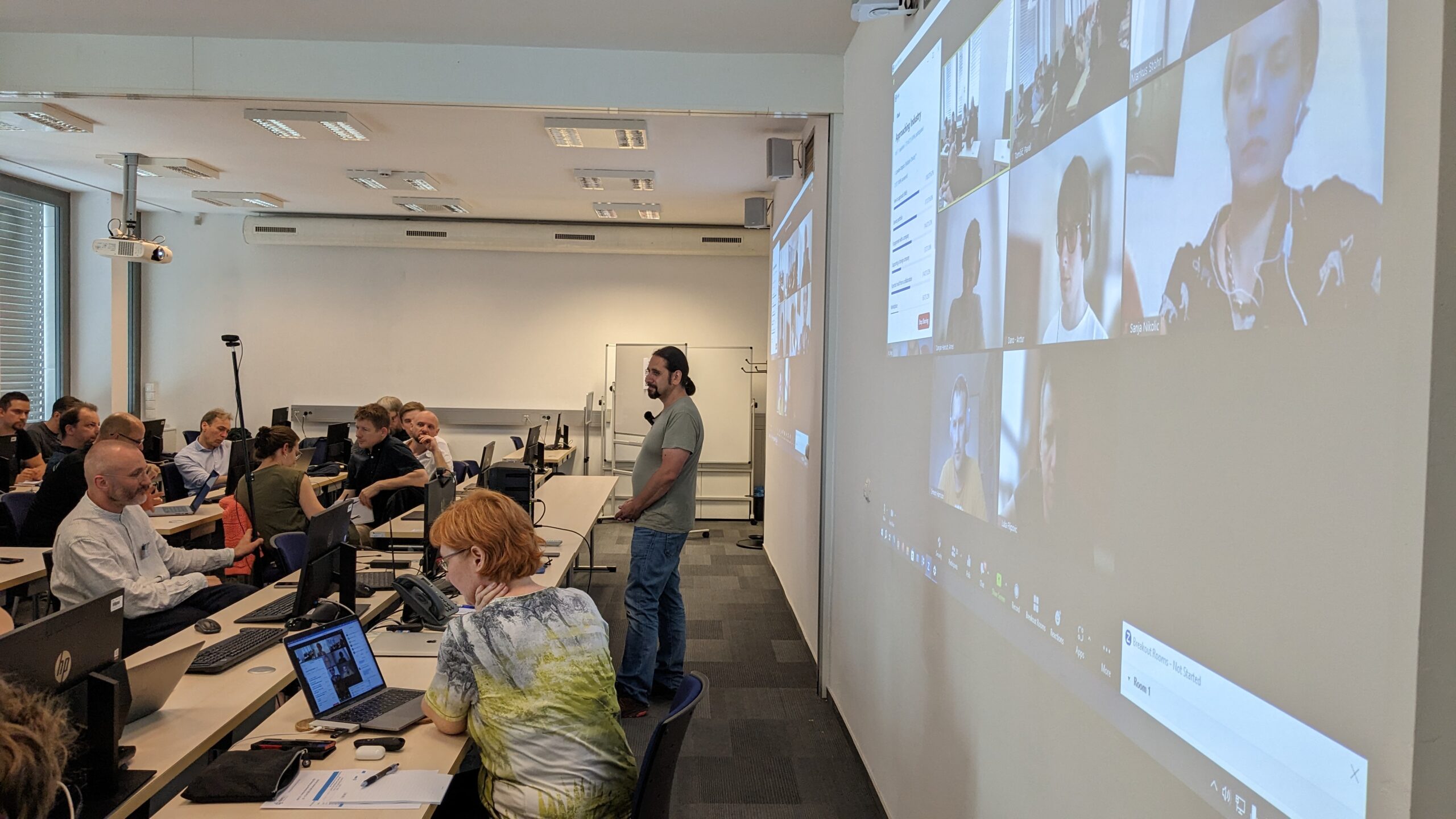
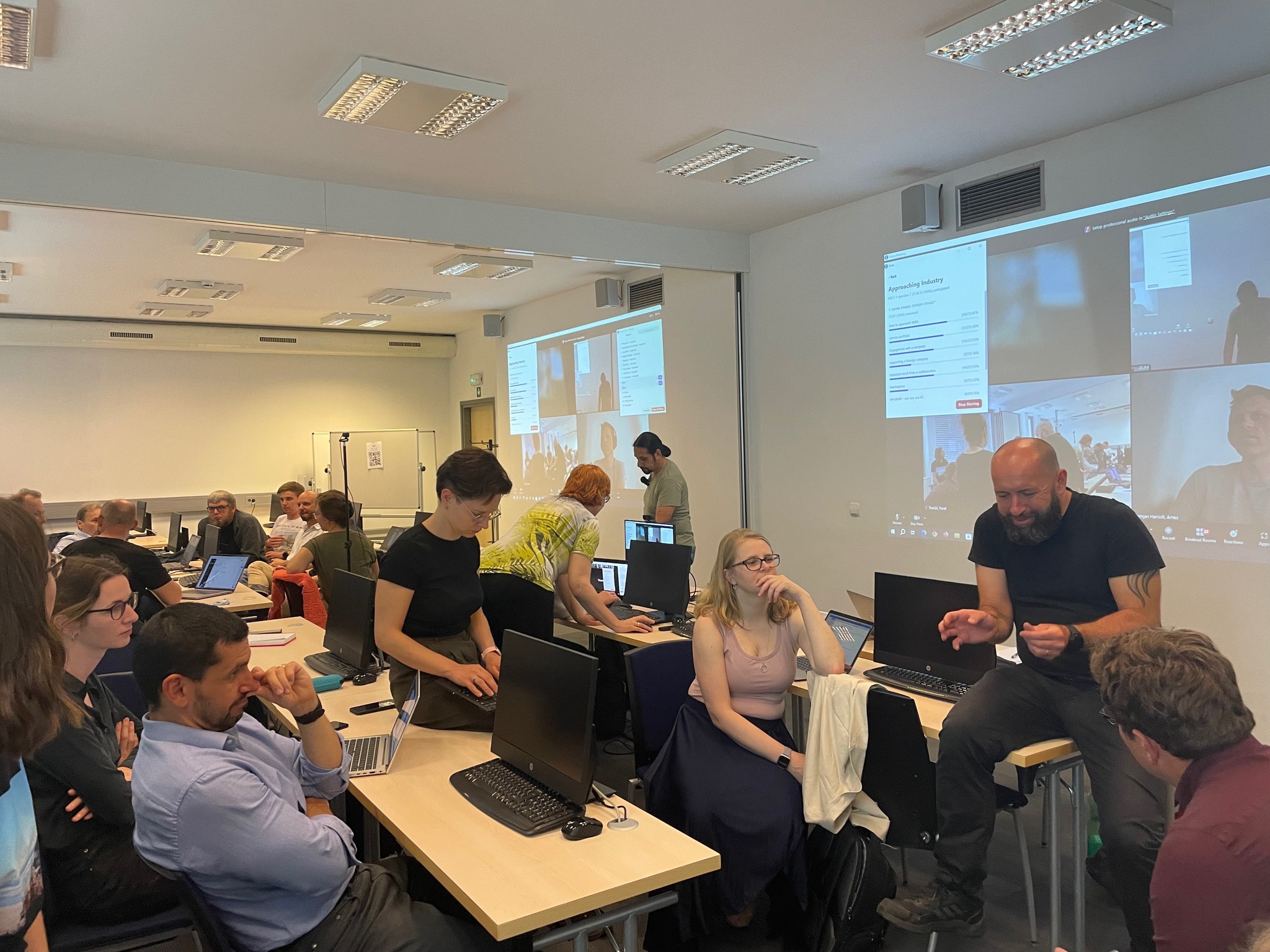
3 sessions were on the agenda, covering the topics of interaction with industry, training and communication. Participants worked in small groups, discussing specific points and sharing best practices within the topics, such as SME approach strategies, service portfolio and how to deal with the state aid issues, rules of engagement with a private company.
Training event formats were discussed, considering post-pandemic trends; experiences with NCC-CoE collaborations were highlighted and different strategies of attracting SME participants to training courses were shared.
The communication session focused on promotion and communication channels, build-up of an audience for different topics and organization of theme-specific webinar series. In each section, opportunities and invitations for collaboration were discussed, as well.
The event was a great opportunity for getting to know colleagues from neighboring NCCs, informal networking, fostering collaboration and finding new inspiration. Great thanks to the organizers and we are looking forward to the next working group meeting!

 Nový recept na skrotenie slnečnej energie 11 Jun - Umelá inteligencia v spojení s čistou fyzikou dokáže predpovedať silu slnečného žiarenia rýchlejšie a lacnejšie než kedykoľvek predtým