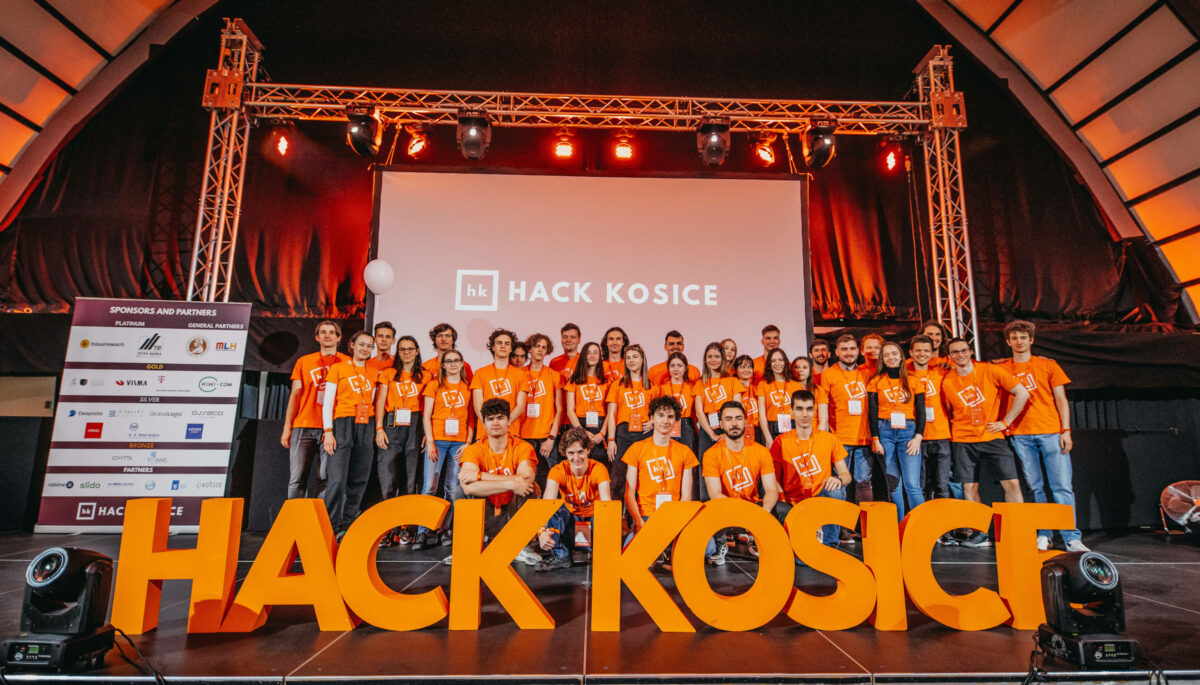
NCC for HPC at the Hack Košice 2022
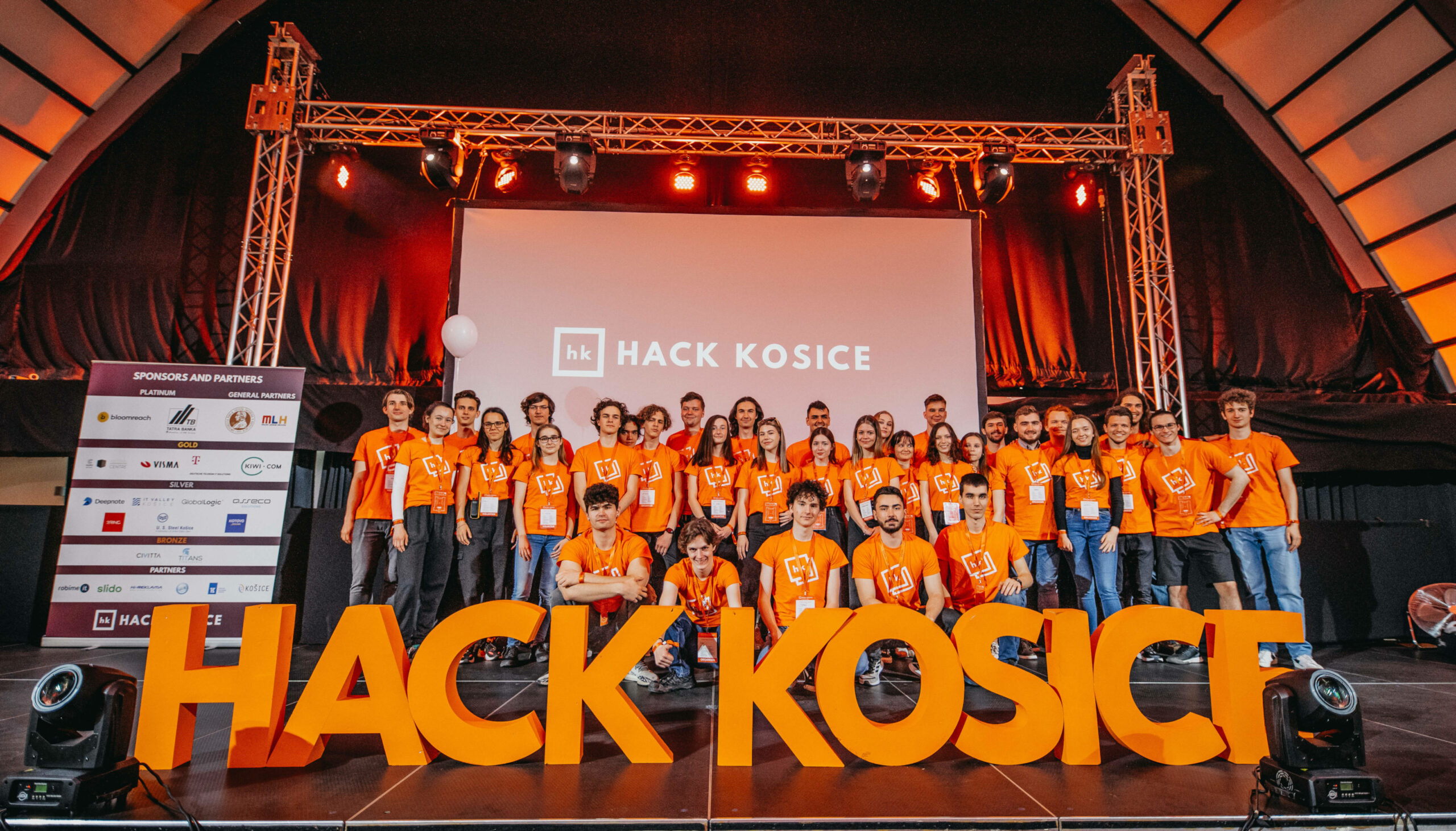
On April 23-24, 2022, another year of the Hack Košice 2022 hackathon took a place in Košice. The National Competence Centre for HPC has brought its own challenge for participants: the Confidential Machine Learning Challenge.
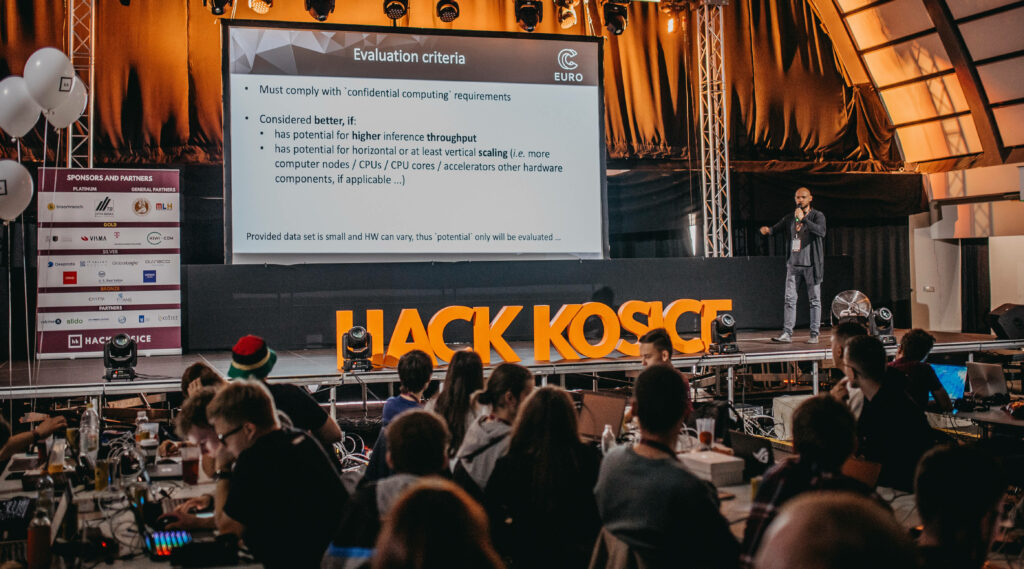
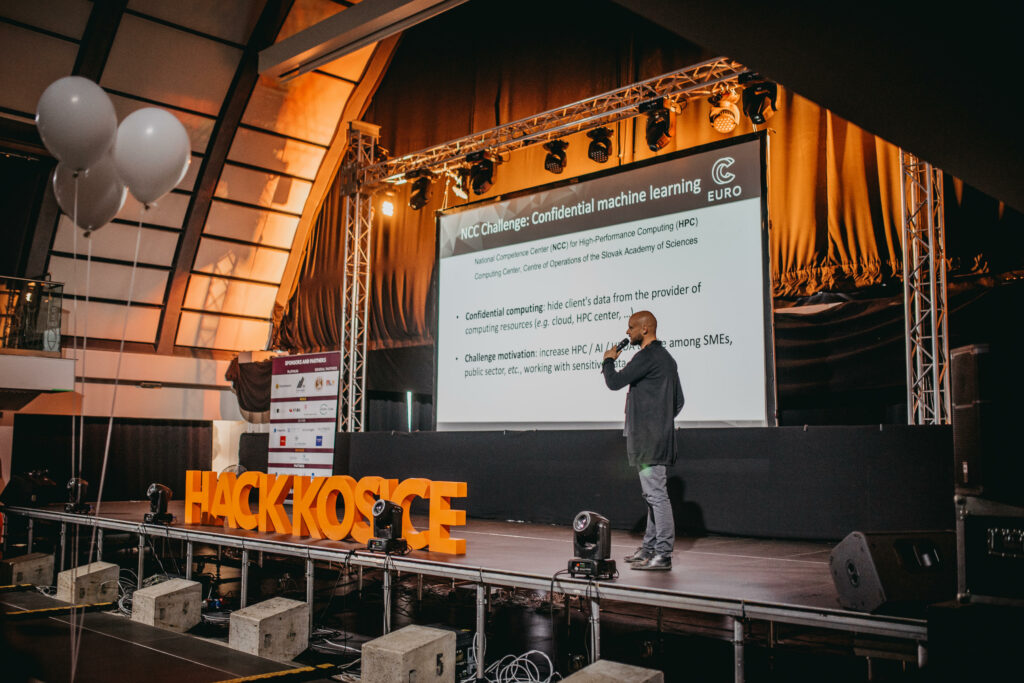
Confidential computing is a very topical issue that is gaining in importance with the growing popularity of cloud services, and this aspect is also important in the provision of HPC (High-Performance Computing) services. These tools and techniques help providers ensure the security of client data during their processing.
Competitors' role as "service providers" was to design and train an appropriate deep neural network (DNN) and / or gradient-boosted decision tree (GBDT) model on the data set provided. The condition was that any end user - the client - could use this model to process their data without the provider being able to decode / decrypt it.
More information about the challenge that hackers could work on can be found here.
During the hackathon, participants also had the opportunity to participate in a workshop on high-performance computing, where one of our lecturers explained how high-performance computing works, what are the areas of use and what are the possibilities of access to HPC infrastructure in Slovakia.
The team from the Spacecode Technical University in Košice won the award for the solution design - congratulations!




 Odvrátená strana bezplatných hier 11 Jul - Ako slovenský tím s pomocou superpočítača vyriešil rébus extrémne vzácneho správania hráčov